
Farewell, Tianjin: What I’ve Learned, What I’ll Miss, and More.

The time has come for me to leave my teaching internship. I can easily remember my first night when I landed in Beijing… and the next morning when I woke up late to orientation due to jet lag. That could have been five mornings ago, and not five months ago. Since I’ve landed in China last August, I’ve picked up on a few things. These include but are not limited to: how to play dice, command a classroom, command a taxi driver in Mandarin, pick a lock, and to be more appreciative of things I took for granted before moving to China.

  1. How to play dice. This is a game I learned to play in Foshan, a town a few hours from Hong Kong, over Golden Week. I reunited with pals from the internship who were placed there. There are lots of variations of dice games in China. It’s a very popular pastime. It’s played everywhere, so be prepared to learn as well! The dice game I was taught involved a lot of fibbing, but all in good fun.
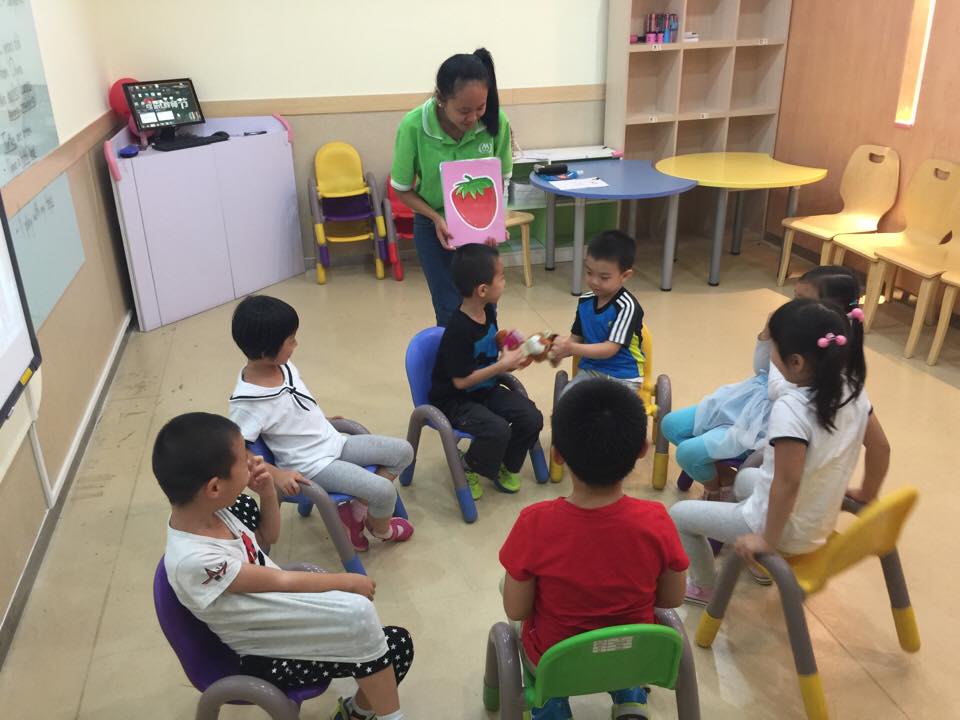
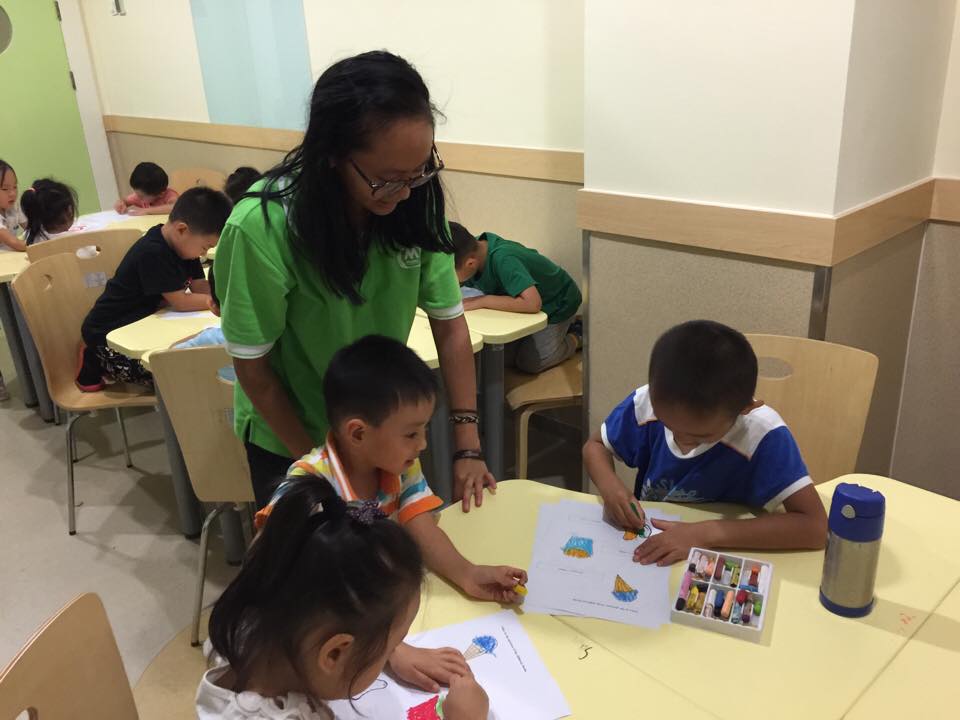
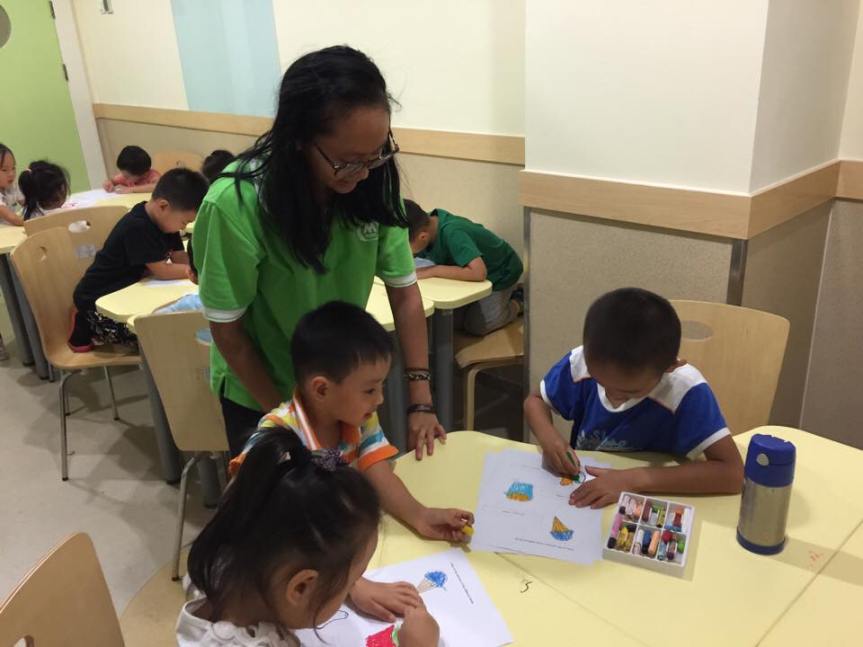
  2. Command a classroom. The main reason I came to China was to gain teaching experience. I’m very grateful for my co-workers, and how helpful and supportive they’ve been from the beginning. Holding the attention of children for a few hours after school and on the weekends can be exhausting. Keeping a mental note of games to play, songs to sing, and having coloring sheets on hand are true lifesavers. I remember being so nervous to teach my first couple of weeks. Public-speaking has never been my forté. But from this experience, I’ve become fairly comfortable presenting in front of group of people… well, a group of children at least. C:

  3. Pick a lock. #wheninchina… that’s all I’m going to say on this one.
  4. Command a cab in Mandarin. Mandarin is the hardest language I’ve ever tried to learn. Not picking up more than I’ve learned is my own fault, for not taking the initiative to teach myself more, and feeling really self-conscious when it came to mingling with the locals (especially when they assume I’m a local as well, and they speak very quickly). But, I am very proud of the fact that if I know where I’m going, I can give directions to a taxi driver.
  5. Be more appreciative of the little things… I’m speaking toilet paper, common courtesy when it comes to lining up, and being able to pass complete strangers with a “hello, good morning!” without getting a strange look. These are things I took for granted when I was home. There is certainly a “China level” of organized chaos I probably won’t experience anywhere else. While I’ve been cut in line more often than I can count, I also no longer question how ruthlessly my taxi driver cuts off other drivers/motorcyclists. When it comes to toilet paper, that is one thing to never be without. I will never take toilet paper for granted again. Or Western styled toilets. Or drinkable tap water. Lastly, I miss and love how easy it is to make small talk in America. Be it that my Mandarin is really basic, or that passerby’s here aren’t always the most approachable people, but a “good morning!” and a smile goes a long way.

As far as the little things go in China, China certainly has it’s own missable charms. It’s here where I’ve slowly built up my tolerance to sesame seeds, spicy food, and the taste of beer. I’ve gained so much experience in Tianjin: as a teacher, student, cat lady (I spent way too much time at this cat café not too far from my work), solo traveler, amateur blogger…

Five months may feel like five years to some, but it’s been a blur to me. Who will I miss the most? My kids. My students have had an immeasurable impact on me, just considering how much time I’ve spent with them over the past few months. I’ll miss the friends I’ve made: both locals (my coworkers) and expats alike (aka Indie Bar).

I know that I will crave jian-bing, my favorite street food and a Tianjin staple. I will miss living where I can walk everywhere, but also have the convenience of the subway and cheap cab-rides at hand. China is a place where a trip to the supermarket was always an adventure, and it was in Tianjin where I learned to be flexible with my grocery list. Not everything was packaged familiarly, things came in odd flavors, and sometimes I had no choice but to purchase “mystery” snacks… #wheninchina.

As I spend the next three weeks traveling further South around China, I will miss that I was able to plant some roots here for a little bit, even if it did mean living in one of the most heavily polluted cities, and having to fight my way through the subway Saturday mornings for work. But, I am looking forward to refreshing scenery, fresher air, meeting whoever I may cross paths with, eating loads more delicacies and making the most of the rest of my time in China.

Next stop: Shanghai!
Three weeks into teaching… go saints! (And bingo!)

I woke-up late to my first day of orientation in China a month ago (Florida-time). It’s crazy to think that I’m midway through my third week of teaching! These past few weeks have been really busy getting settled into my new teaching center, meeting a ton of new students, remembering and forgetting a ton of new names, and creating a ton of new lesson plans. New, new, new… I came to China to teach, an extraordinarily new direction for me to go in, both professionally, and literally in terms of geography, but I’ve become quite fond of the thrill that comes with being in a foreign place.

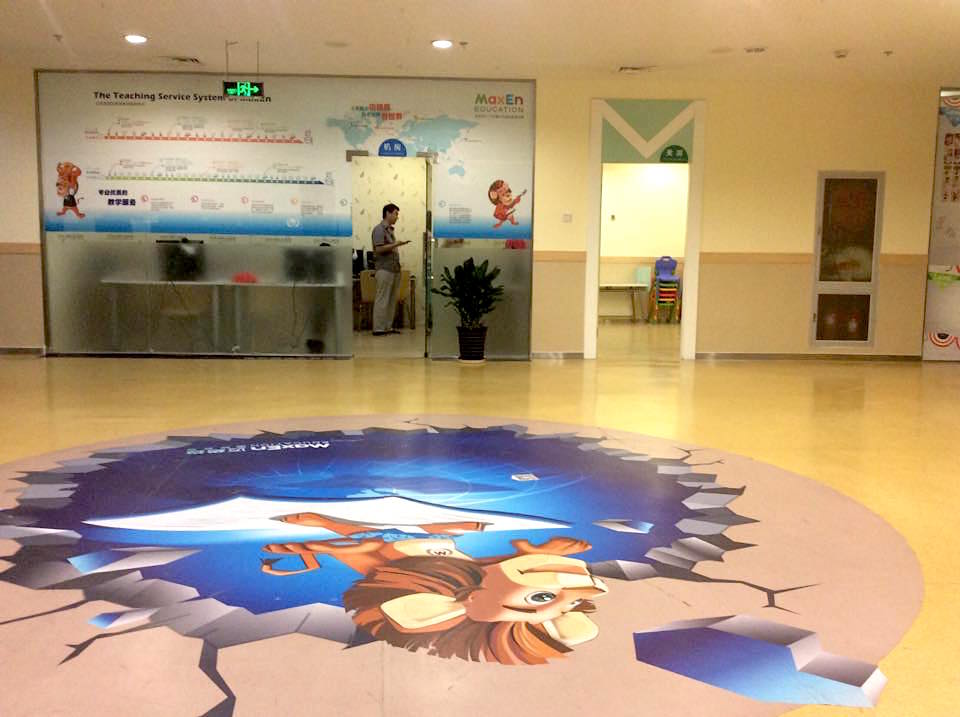
A word on my teaching center: I have been referring to it as a “teaching center” as I don’t work at a traditional school. Rather, I work at tutoring facility, similar to Kumon in North America. It’s called MaxEn International, and they have centers all over China (we use workbooks and programs designed by McGraw-Hill, if that educational publisher rings a bell for anyone back home). Classes are either two or three hour sessions, and children attend these classes after-school or on weekends to learn and practice their English.

So while I do work evenings and weekends, the classes are very small, thus manageable (I have never had more than twelve students to a class), and rather than teaching one grade level, after these three weeks I will have covered the spectrum from pre-school to high school aged students (3-14 years old), which I think is terrific experience. Also, if you can’t tell from the photos below, we have a uniform of sorts, so that you can easily spot us teachers in a sea of students. As unflattering as this shade of green is, I’m actually really grateful for this uniform. It saves me a lot of time in the mornings. Also, more importantly, the mascot for MaxEn is a lion: go saints!!!12048564_10153188177652547_211130893_n

I’m learning that while I thought I would enjoy teaching a younger group of kids more (2nd grade and below), it’s certainly a lot more difficult than teaching the older kids, who already have a foundation of the English language. The little ones are so adorable, but they just require a lot more attention (and not to mention bathroom breaks). Even trying to explain certain vocabulary words, like “teamwork” and “salty,” in terms they can understand have stumped me a couple of times.

I am pretty exhausted leaving my younger level classes. Since the littlest munchkins have the shortest attention span, I try to keep the students as active as possible with role-play and games. My go-to games are “hot potato” and bingo, depending on the age group. Kids love games, and if you can turn vocabulary review into a game, you’re golden. A typical school day in Tianjin begins at 7AM and ends at 5PM. To follow these hours with another class at 6PM makes for an incredibly long day. Really, it’s just essential to me that the kids have fun while learning.

Lesson planning itself is a lot more basic and simple than I make it out to be sometimes too. I overthink everything, lessons included. The center itself is well equipped with any resources I may need though, aside from the occasional piece of realia, such as fresh fruit. But we have workbooks for each level with vocabulary and phrases depending on the topic of the lesson that I am expected to teach. My lessons are comprised of either Powerpoints or PDFs with some visuals for the vocabulary (which includes photos, videos, realia, etc), worksheets, flashcards, and games, of course. Each lesson comes with an online version complete with a couple of games that we also have access to, so there are plenty of ways to drill the vocabulary and help the kids learn. 12032391_10153187345877547_1077465496_n

Since I’ve started teaching, I’ve dealt with students who are disruptive to the class, students who are unwilling to participate, or who are only speaking Chinese, and students who won’t speak at all. Yes, these situations can, and have been frustrating, but slowly and surely I’m learning the best ways to handle these different scenarios. When it comes down to it, they’re just kids though, y’know? One of the toughest parts is going into a new class and not knowing what level of English the children already know. Did I make my lesson too hard? Too easy? Both have happened a couple times because every class is different. Even students at the same level have different strengths and weaknesses in their English. I’m learning that flexibility is key as a foreign language teacher.

It can be a little disheartening feeling like you haven’t taught students anything in a class, and sometimes I feel that way with the youngest kids. But, I know that with the youngest group of students, the kids are just really small. They’re still learning social skills, fine tuning their motor skills, and it’s hard for them to grasp so much new vocabulary, especially in a second language.

I do always finish class with an older group of kids feeling much more accomplished, and it just feels very rewarding, knowing that my kids are leaving having learned something new. I’m so honored to have this opportunity to be a mentor to these students. They’ve given me something to look forward to each day, and I feel like I have a real sense of purpose here, no matter how much of a class is spent coloring more than anything. I may be the teacher, but I have undoubtedly, and still am, learning just as much as my students. China is one big classroom in itself for me, where around every corner there’s something unfamiliar and refreshing to see, a different dish to try, a new phrase to learn… and for this experience, I just feel really grateful.

Love from Tianjin ♥
12047224_10153187343897547_1069868285_n