
When you have certain dietary restrictions, eating out can become a bit of a hassle. Of course, it helps having a few favorite restaurants where you know your diet can be accomodated. I’ve been a pescatarian for five years now, and I also have food allergies (namely all tree nuts and shellfish). At twenty-three years old, I’ve lived on the same continent, and easily know what/where I can eat without having any major issues.
But this past August, I jetted off to China to teach English for six months. Back home, Chinese cuisine has never been a favorite of mine, mainly because many dishes use ingredients I am allergic too. A huge concern for both me and my parents was how and what I would be able to eat in a country where I barely knew the native language, and therefore couldn’t effectively communicate my allergies.
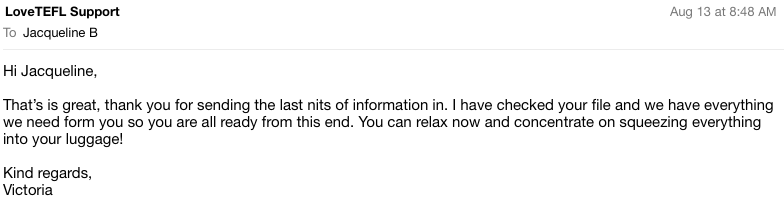
For orientation week with LoveTEFL, the meal plan set-up we were provided was actually very convenient, despite the culture shock I experienced and how little of an appetite I initially had after arriving in China. With our meal plan, we each got a card with money on it. This money could be spent in the cafeteria, and at a couple of restaurants, cafes, and convenience stores also on campus.
So while the cafeteria wasn’t anyone’s favorite place to eat, it was set-up as any school cafeteria in the West. I could see and choose what I was eating, and there were no surprises involved with any of my meals there. Even if I had been ravenous, there were always vegetarian options in the cafeteria (all kinds of vegetables, rice, egg pancakes, noodles, tofu, etc). I also definitely enjoyed my share of chocolate croissants and tea from the cafe on campus too.
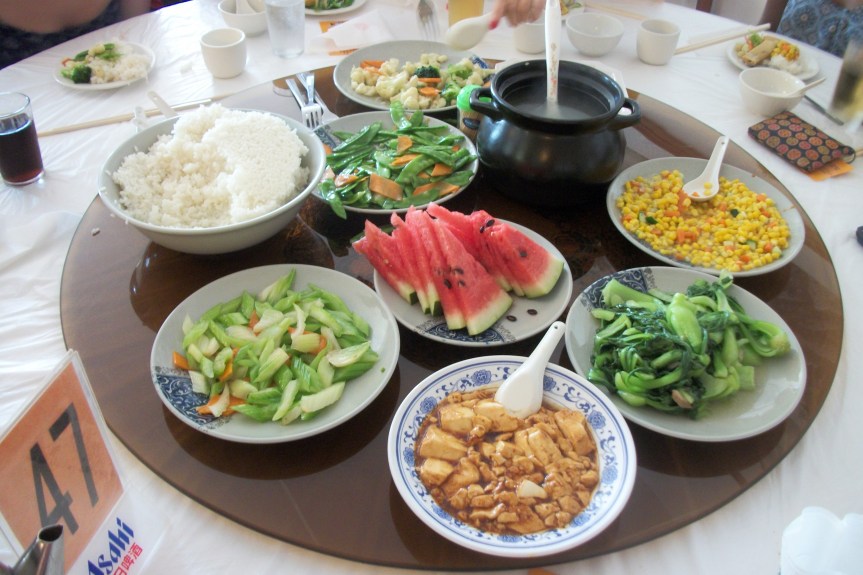
LoveTEFL also took us out to local restaurants in Beijing a few times during orientation week, and when it came to eating out, there were enough vegetarians in our internship group that we had our own designated vegetarian table. I’ve said this in a previous blog post, but I’m going to say it again: whoever said I would starve as a pescatarian with food allergies in China is a liar. I felt that the restaurants we ate at were fairly accommodating of our dietary preferences and restrictions. There was always more than enough food! Much more than what most of us could consume given the culture shock and homesickness we were all similarly experiencing.

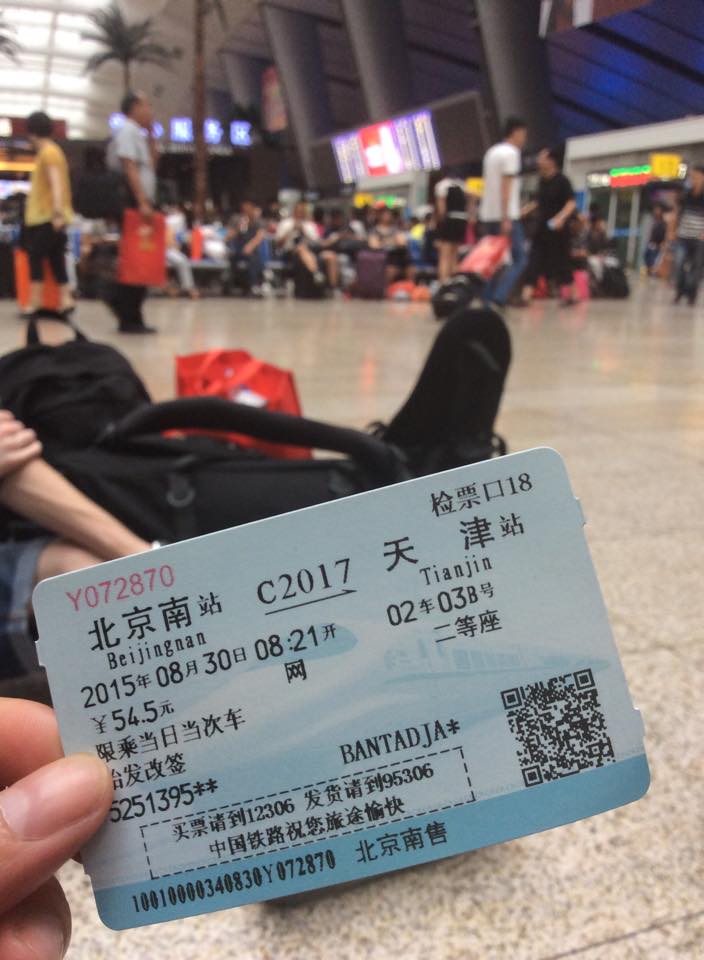
I’ve been in Tianjin, where I’ve been placed for teaching, for almost eight weeks now (crazy!!!). And while LoveTEFL isn’t here to hold my hand and order for me in restaurants, I’ve managed just fine. Here’s some advice for those heading to a foreign country with dietary restrictions/allergies:
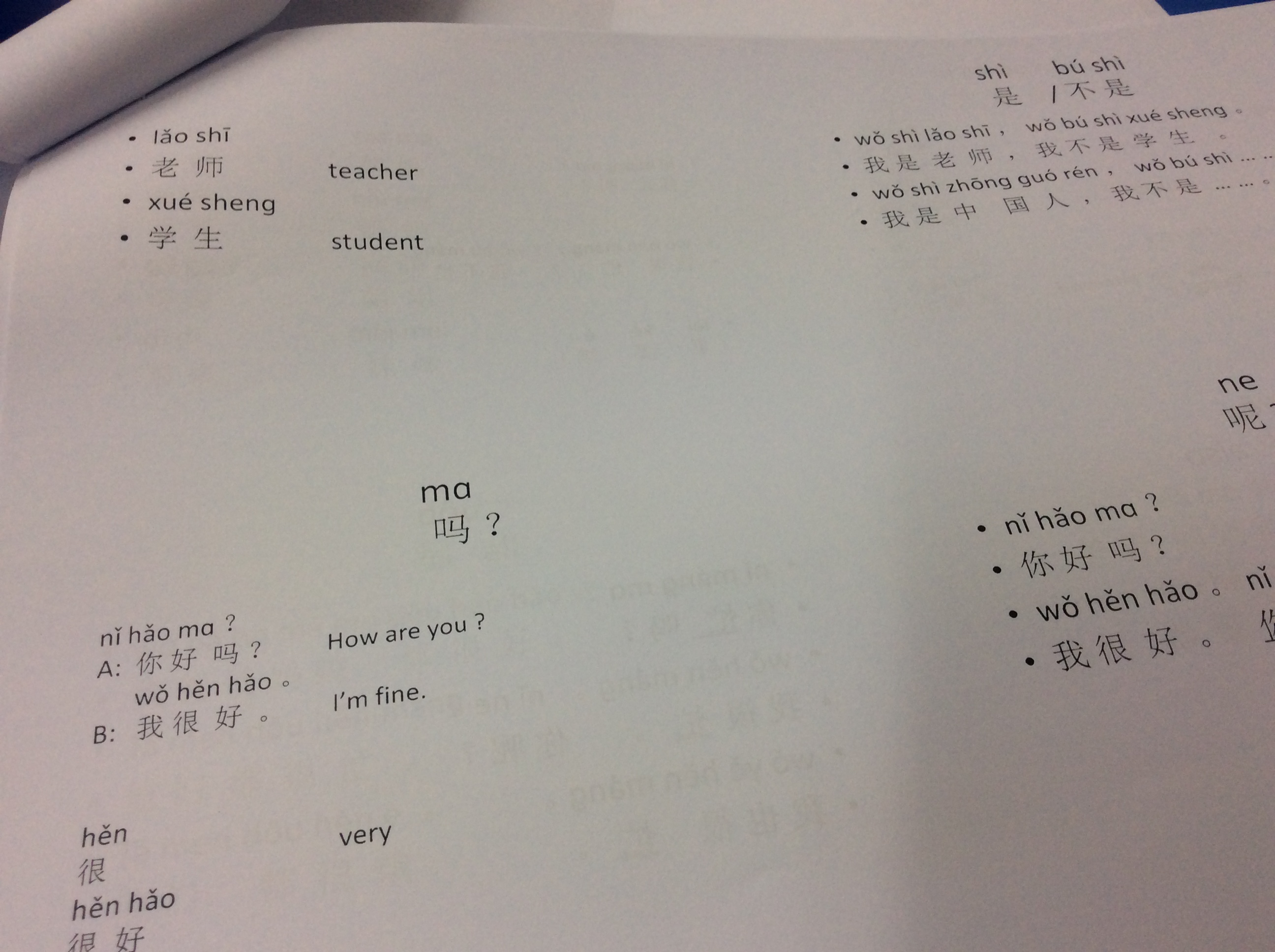
- Learn some phrases in the local tongue. The phrases I am most comfortable speaking in Mandarin, aside from greetings are “wo chi su” (pronounced: woh-chee-soo for “I eat vegetables”) and “meiyou rou” (pronounced: mayo-roh, roughly “no meat”).
- I have two epi-pens with me too, in case of an emergency. If your allergies are as serious as mine, you probably already have an epi-pen or two in your possession. Just double check the expiry dates on them before your trip and get your prescription filled as needed.
- If you have allergies, knowing how to say “I am allergic to such-and-such” is especially helpful as well, and gives me more of piece of mind when trying new dishes. I know that learning a new language can be tough. I feel really self-conscious whenever I speak Mandarin. But, if you have a phone or tablet, you can always screenshot these phrases or write them down on an index card to carry with you.
- A couple of apps that I’m finding most helpful if you have a smartphone or tablet with you, are Pleco and Waygo. Pleco is an English-Chinese dictionary, where you can type in an English word to come up with a translation (and sometimes phrases work too), and Waygo specifically translates food/menu items with your device’s camera. Both work offline, which has been a lifesaver on more than one occassion. Waygo I tend to use at the grocery store more than anything, to distinguish the different flavors of items, but I have tested it on a few menus with pictures, and the translations are pretty decent. But still, use caution. Asking is always better, if you’re not certain.
- Another great thing to ask others are for recommendations for places to eat. If you don’t feel comfortable asking just anyone, don’t hesitate to ask your fellow teachers at your school! Everyone is always so willing to help at my teaching center, and I’ve been shown some really great places to eat. Bonus is that they speak both Mandarin and English, and know of my allergies, so I feel comfortable trusting my order with them.
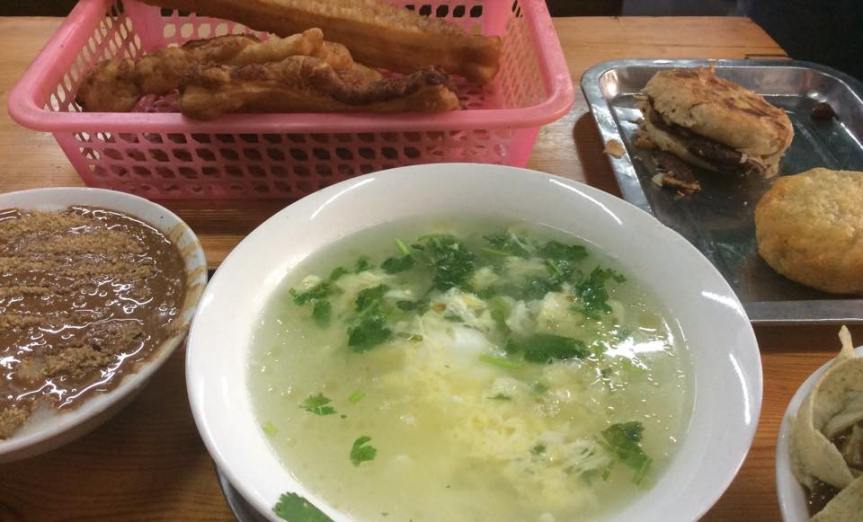
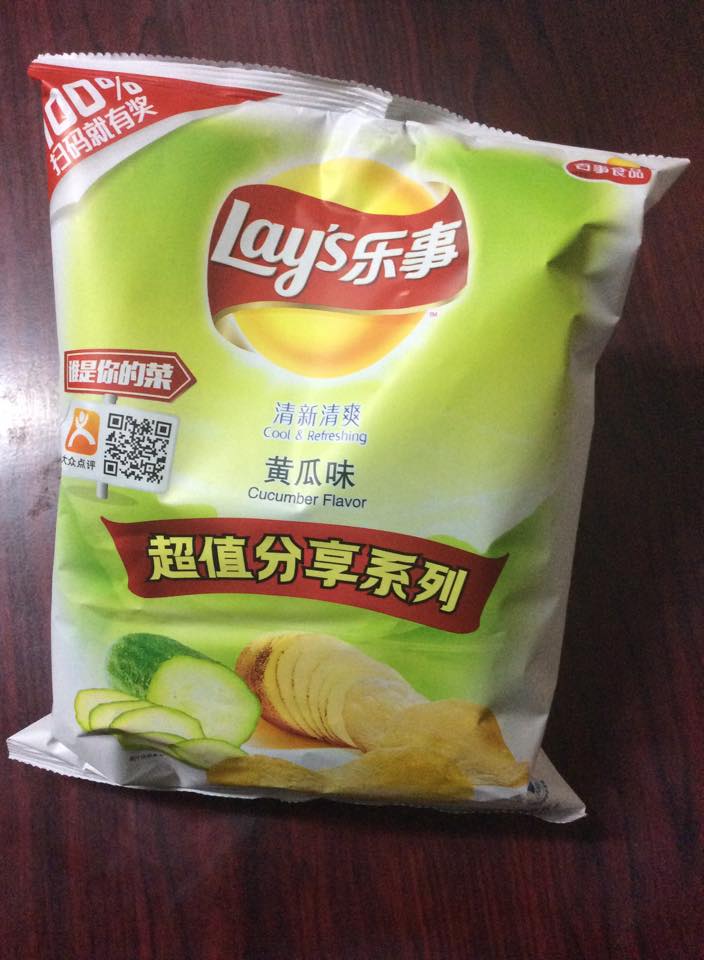
Amazing breakfast place a co-worker took me to. - Cook at home! That is, if you enjoy cooking. Not only does it save money, but there are no questions or surprises when you eat what you cook yourself! Just be careful about picking up snacks from the market. While Chinese brand items are sometimes cheaper, altogether too often do I choose something that looks like a plain flavor, only to translate it via Waygo and learn it’s actually peanut/sesame/shrimp flavored. A safe bet are recognizable brands of snacks, like Quaker, Lay’s, Oreos, Ritz, Nestle etc.
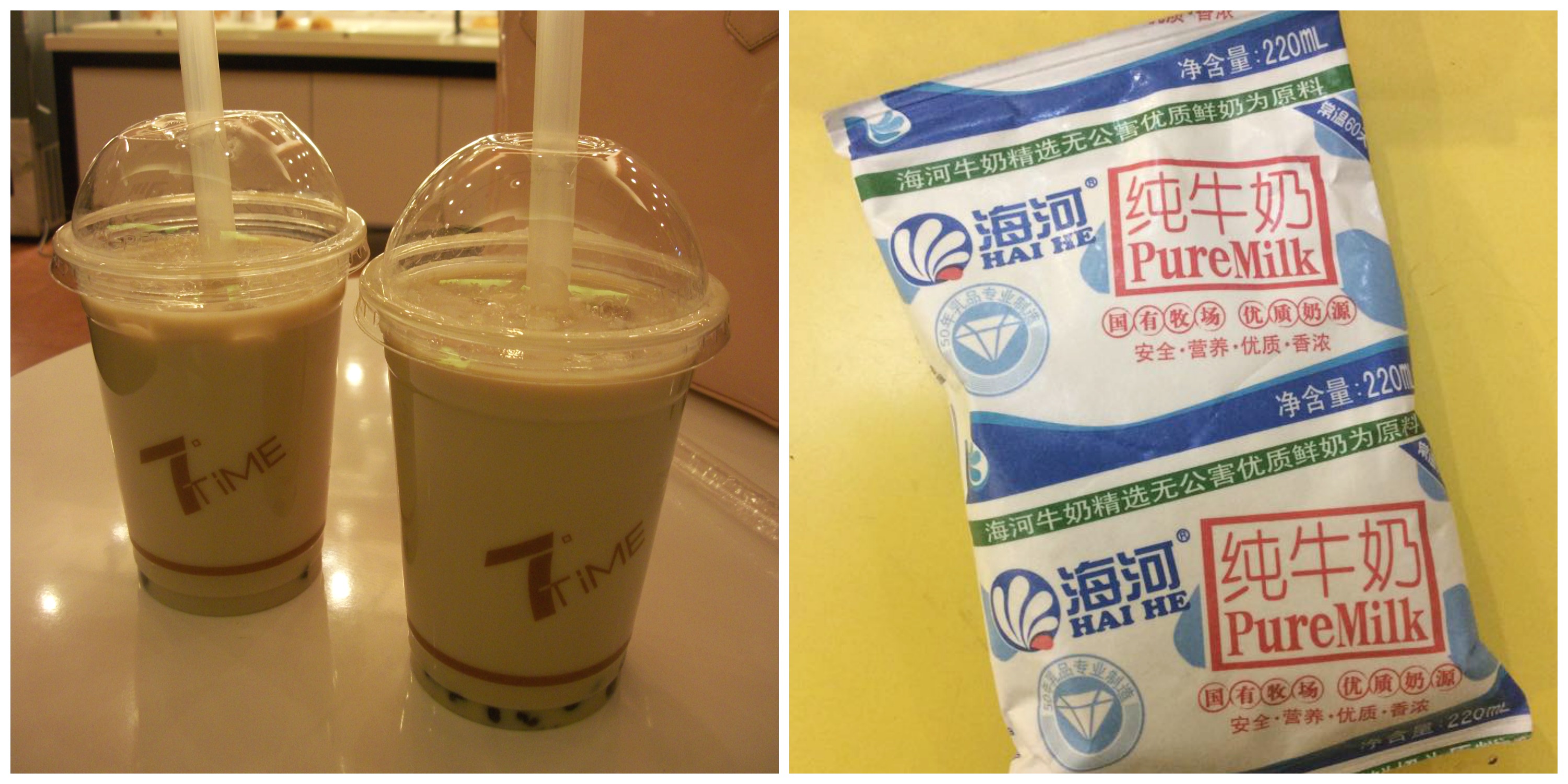
- When it comes to drinks, if you’re on Team Tea like me, you won’t have a problem. Very popular, and for a 1/3 of the price back in Florida, I’ve enjoyed one too many bubble teas/boba drinks (or milk tea, as they call it here), almost always from little shops or kiosks at the market, and one unfortunate time I drank expired milk tea from 7-11. Teabags are easy to find at the market, but expect to pay a little more for brands such as Lipton. I also recently gave milk here a shot. It came in a convenient little pouch, and while it was a bit sweeter than I was expecting, I would drink it again!
 Food is a common language in itself, no matter what part of the world you are in. While I do tend to cook at my apartment a lot, eating out is a terrific opportunity to practice the language, and experience the culture. Food has always been a great way for people to come together. Don’t let your diet restrictions or preferences keep you from trying new items. It’s alright, and reasonable to be hesitant, but don’t bridge on paranoia. I think it’s very important that I take advantage of traditional dishes and distinct tastes I can only find in China (that also of course won’t put me in the hospital). One of my favorite treats so far looks like a “bath bomb,” but it actually a mini jam filled fried cake, a traditional Tianjin snack.

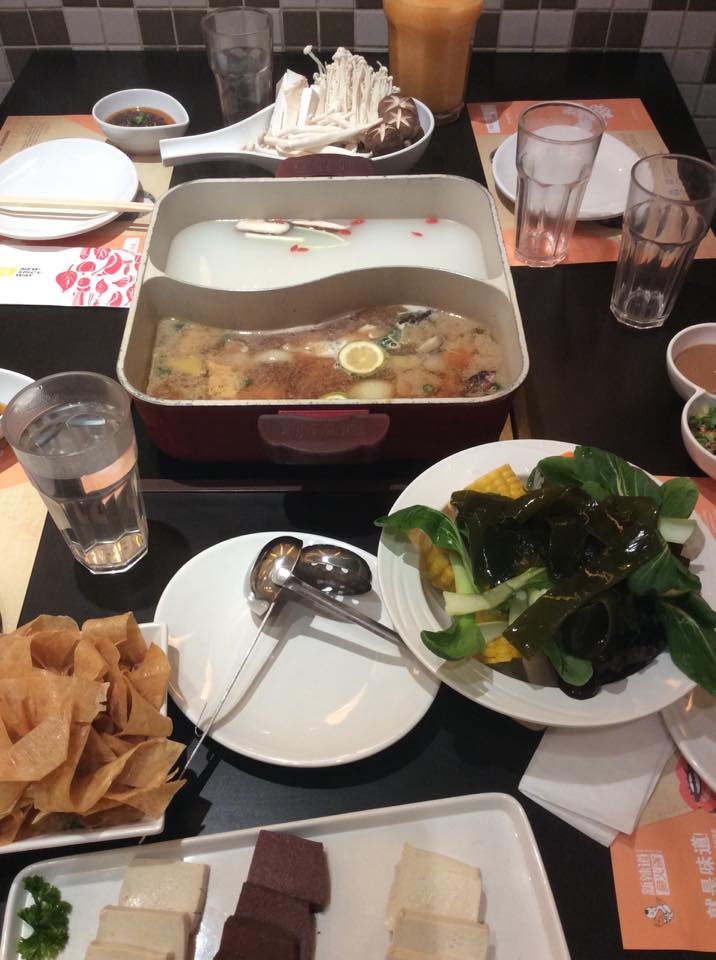
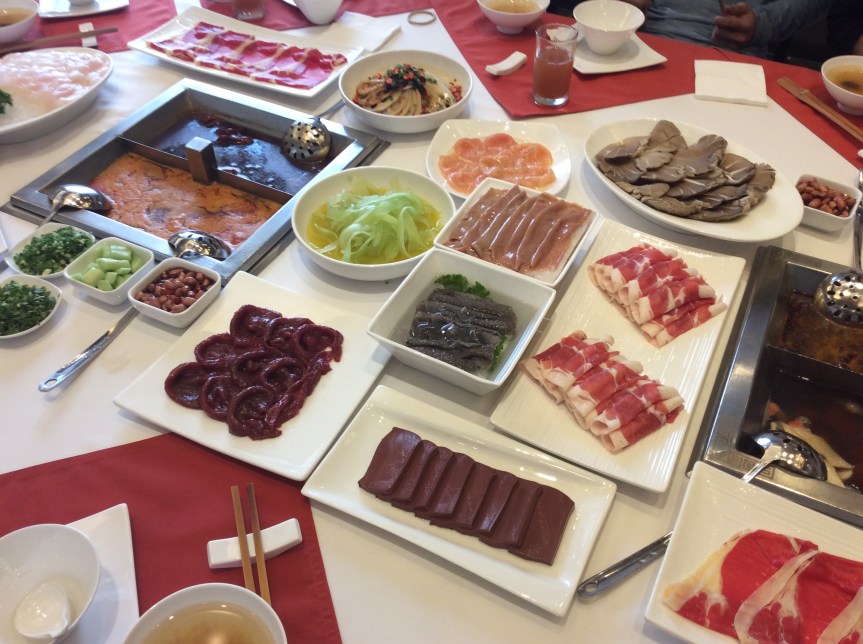
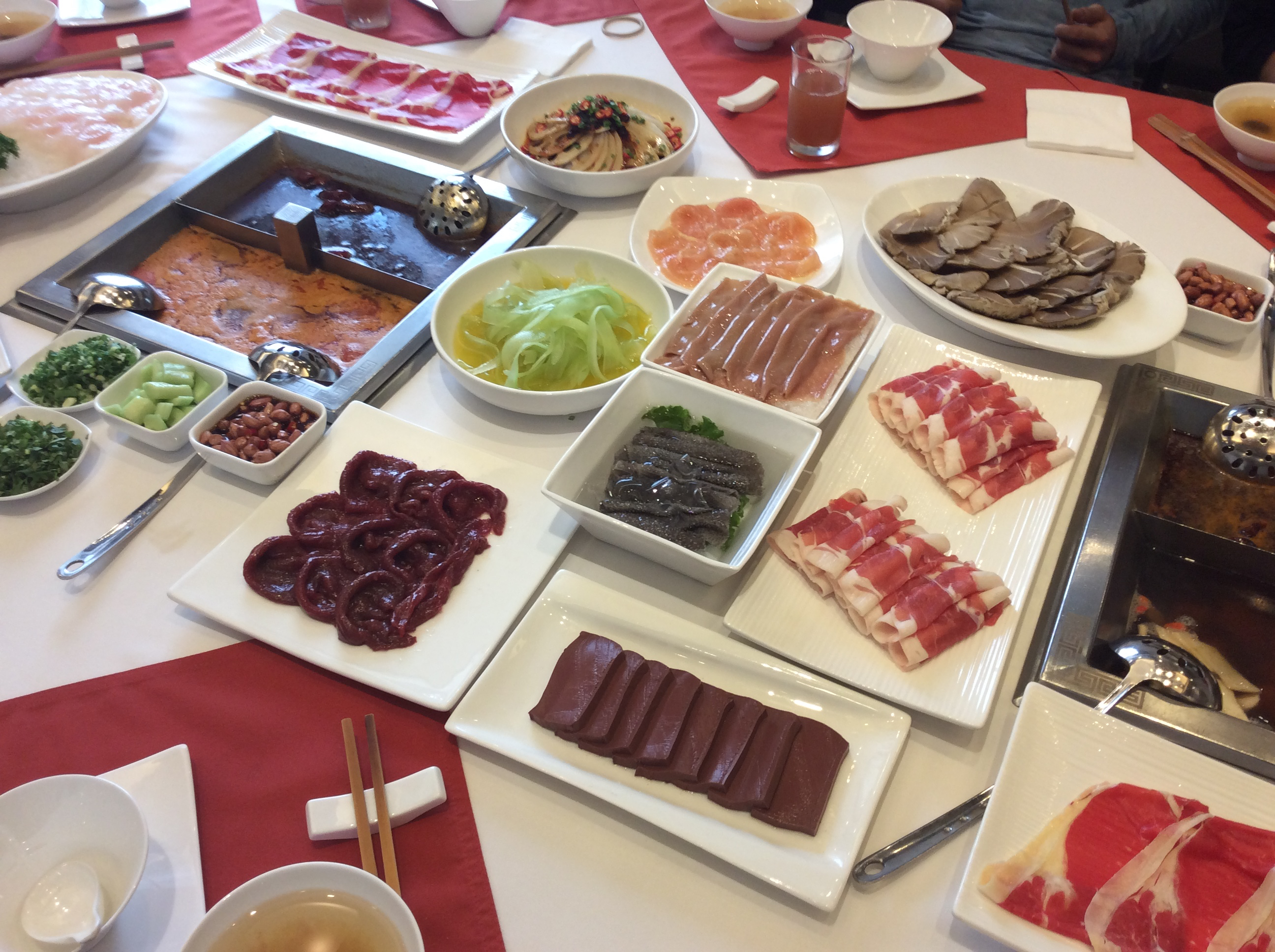
Some of the most delicious things I’ve eaten so far on this trip have been from street vendors! I’ve also become a huge fan of hotpot and “malatang.” With both hotpot and malatang, you choose from an array of fresh and raw ingredients that are cooked and typically served in a broth with spices of your choosing. Malatang is meant to be spicy, although I prefer mine mild.
For hotpot, you choose your ingredients, and cook and serve yourself from a boiling pot in the center of the table which you share with friends/family (or, you can have yourself a hotpot party of one). The places I’ve been to for malatang featured shelves of baskets of ingredients which you fill a bowl with, depending on what you want and how much you want (vegetables, noodles, protein, etc). You pay by weight, and your bowl of ingredients gets cooked right before your eyes. You can hit every food group enjoying malatang or hotpot!
I’ve been incredibly satisfied after every meal I’ve eaten out. Aside from drinking that bad milk tea (my own fault, for not checking the expiry date), I have not had any real issues with food in China. Every person is different and some people adjust to foreign cuisines a bit faster than others. Several people on the internship decided to go vegetarian while in China, at least to start, and that’s something to consider if you’re headed to a foreign country with a sensitive stomach. Just take your time and take advantage of trying different foods. There will be plenty of it, around every street corner. Just keep an open mind, and as the saying goes, “when in China…”
Love from Tianjin ♥















 JACKIEXPLORES
