Las Filipinas

Las Filipinas… it’s been long overdue that I visit my native land, where both my parents were born and immigrated from with my grandparents when they were kids. While a visit would have only been made better if my parents and sisters were there, and while it was unfortunate that I was meeting my father’s side of the family for the first time under the circumstances of my great-grandmother’s passing, it felt really amazing to be in the land of my people.

Visiting the Philippines felt a lot like visiting Toronto in the sense that I was going there to see and spend with family, (most of whom I was meeting for the first time!!!) who were the most generous hosts and hospitable guides. It was nice to be surrounded by family being away from mine since August, and to have family act as my travel guide as well as be the best kind of traveling company.

Without my relatives, I don’t know how I would have gotten anywhere. Traffic, especially in Manila can be particularly awful, but I had the best time riding public transportation in the form of “jeepneys,” (small, colorfully ornamented public buses) and in the sidecar of motorcycles.I spent the majority of my time with my great-aunt Flory who lives in Manila and together with my aunts, we also visited the northern province of Luzon (Ilocos Sur & Norte), and Tagaytay in Cavite. I also traveled further south to Oriental Mindoro, where my great-grandmother lived.

There were a lot of firsts for me in the Philippines: I met a LOT of cousins, and great-aunts and uncles for the first time, rode a horse, sang karaoke outdoors, ate a lot of homecooked Filipino meals for the first time in months (!!!), fed a camel, saw a windmill up close, went swimming in a waterfall, and watched a dancing fountain show coordinated to “Watch Me-Whip/Nae Nae” (among other songs).

If I could describe the Philippines in one word, it’d be “warm.” The Philippines has a very lush, tropical climate year-round, so it is very literally a warm place. There are a lot of farms, rice fields, beaches, and waterfalls. Manila is a big city, but visiting smaller towns, and rural provinces was refreshing after the hustle and bustle of China, and Hong Kong.

The people of the Philippines were so warm and welcoming as well. My family showed me the warmest hospitality and made sure I enjoyed my visit. My trip there was such a treat. I’m always grateful, so grateful, and I feel so proud of my roots. Maraming salamat po, las Filipinas!!! Until next time.

I’ve been in Japan for a few weeks now, friends. I hope to update you sooner than later about my time in Tokyo before I jet-off and run my JR pass to the ground starting this weekend… but if I can’t, sit tight. I will share about my time here, promise.

A happy week to you all, and happy watching my Philippines footage!

Love from Japan ♥

Hong Kong Highlights

Having been in China for almost six months, traveling to any country would have been a breath of fresh air. Literally. My first post-China country to visit happened to be Hong Kong. Hong Kong is incredibly diverse, dynamic, and Westernized. You know you’ve been in China too long when you get really giddy about the fact that people stay on one side of the escalator.  After tackling China, Hong Kong was a breeze to visit. I didn’t need to ask for directions once in my four days of visiting, my hostel gave me a map that was incredibly helpful, and Hong Kong’s subway system has nothing on Beijing’s! There are also signs everywhere, and in English. If New York and London had a child they raised in Asia, they would name it Hong Kong.

The only negative I’d heard about Hong Kong was that it was an expensive place to visit, and it can be. Gone are the incredibly cheap street food eats and small, family owned restaurants of China. As Westernized as Hong Kong is, expect Western prices as far as meals in restaurants go (likewise, expect to feel overwhelmed by how many dining options you’ll have).

Being on a budget, it really works that I’ve always been the kind of traveler to snack throughout the day, and I feel like meals aside, every foreign place you go to has snacks they are famous for and that you should indulge in. While not always the most healthy option, local snacks can be just as filling, and also save time when you have a lot to see. Hong Kong was not an exception in that respect. I indulged in quite a few pineapple buns, and egg waffles.

I was also really lucky that my hostel was near an IKEA, and I’ve always loved IKEA food. Hong Kong’s IKEA had some really delicious vegetarian options with China prices. But otherwise, I did treat myself to an amazing lunch my last day there. One of their most famous and popular restaurant chains is called Tsui Wah Restaurant, and I indulged at their Locklear Street location. I ordered enough for two people. I ate it all. It took me almost two hours to indulge, but I wish I had room to order more. It was very yummy.

As far as transportation goes, I didn’t have to take a taxi once (quite steep with meters starting at $17HKD) and relied on public transportation. If you’re there for more than a couple days, I would recommend getting an Octopus card. Used throughout Hong Kong, it’s a debit-metro card in one. It can be used on any form of public transportation, and in most restaurants, and convenience stores. You save a bit when you use your Octopus card on transport, rather than paying in cash, and it also saves time. To start, you need to top it off with $150HKD (that includes a $50 deposit) and any unspent value when you return your card, (minus a $9 service fee if you return it in less than three months), you will get refunded. So for me, going all around Hong Kong, Kowloon, and up to Victoria Peak made it worth it.

For the majority of Hong Kong Island, forgo the subway and take the “ding ding” tram. I enjoyed riding these trams so ridiculously much. Not only is it more cost-effective than taking the subway, but snag a seat on the upper deck and it comes with a complimentary scenic tour of the island. It’s such a great way to take in the sights and sounds of the city, as well as people-watch the locals, who seemed to favor this method of transportation as much as I did. I cannot praise these trams more, nor can I tell you how many times I rode them (maybe somewhere upwards of 20 times??!). If you’ve got time to get to Kowloon or back, take the Star Ferry for a fraction of the price as well. It’s less than an eight minute ride, and I give the views eight stars. Again, much more of a worthwhile experience than taking the subway.

There are a lot of free sites to check out (museums have free admission on Wednesdays!) and I thoroughly enjoyed strolling the Flower Market, the Goldfish Market, and the Bird Garden (which also has free Wifi). There are lots of markets in Hong Kong (some more questionably set-up than others, if ya know what I mean), and if you’re on the island, hop on the tram and hop off when you see loads of people on the sidewalk hawking their wares. Hong Kong is a good place to test out your bargaining skills as well!

And aside from transportation to and from the Peak (much more cost-effective to take a bus rather than taxi or the peak tram), Victoria Peak can be visited for free. Sure, you can pay to go up to the highest point of the Peak, but on the terrace of the Peak Galleria, enjoy spectacular views free of charge.

Overall, Hong Kong was a dream. Just check out these pictures of Victoria Peak ^^^. I mean, I’ve read a few things online that said that Victoria Peak was the #1 must-see in H.K. and I absolutely agree. The views left me speechless. I wish I could have stayed a bit longer, H.K, but at least I have the memories, photos and some footage below to remember you until next time.

I left Hong Kong to spend the next three weeks in the Philippines, where my parents were born, but I had never visited. Can’t wait to share about the first time seeing my roots. More later, friends.

Love from Japan ♥

Post-Tianjin Travels: China

It’s been roughly a month since I’ve left my internship, and I’ve done my share of traveling through China before ending up in Hong Kong, and now, the Philippines. I went from Tianjin – Shanghai – Xitang – Hangzhou – Xi’an – Lanzhou – Chengdu – Guangzhou – Foshan – Hong Kong. Here’s a wrap-up of my travels throughout China, post-teaching: some pictures, some highlights, and a video I made as well!

Shanghai: I reunited with my friend Melanie, who I met when I worked at Disney. She attends school in Shanghai and I crashed in her dorm, which felt a lot like being in college again. I loved it. Other highlights for me in Shanghai were the Natural History Museum and an amazing vegetarian buffet we enjoyed for dinner one night. I would recommend visiting the museum even just to admire the architecture of it. I have to hand it to the Museum Architects of China, for I’ve admired the architecture of their museums very much. They have all been very different, and distinct, while I’ve seen enough porcelain and taxidermy animals it makes my head spin.

Xitang: an ancient water town of China (and where they’ve filmed Mission Impossible: III), Xitang was so charming, and quiet. A nice getaway from city-life. It was just filled with a maze of shops, adorable cafes and plenty of eats. Melanie and I traveled here together (and to Hangzhou next as well), and we met the sweetest local who sold deep-friend corn on the cob, answered all of our questions, gave us directions, and made her husband be our bodyguard to a club (which ended up being so fun as it turned out he is quite the hoot). If you ever find yourself in Xitang, visit her little shop. I’d never had deep-fried corn on the cob before, and in the day we were there, I ate three of them. It’s before you enter the canals and waterways, on your right, next to a convenience store.

Hangzhou: Oh, Hangzhou. You were freezing, but so darn gorgeous with your snow-capped peaks overlooking West Lake. I understand now why West Lake appears on China’s currency. I imagine West Lake is a completely different site, but just as stunning in a warmer season. The day we left, we hiked a bit up the side of a mountain (with our suitcases, mind you!) to a restaurant where I enjoyed one of my favorite meals in China to date. And don’t even get me started on the view… two days was too short. Easily, I would like to live in a cabin on this lake. Pretty please.

Xi’an: I was hosted by a lady named Ran, a dentist in one of the hospitals downtown. If you’re ever headed to Xi’an, I can put you in touch! She was so helpful, and even though I only visited for a couple of days, she made me feel so at home that I wish I had spent longer there. Despite having never been to Xi’an before, I found it really easy to navigate. Double decker bus #603 ran up and down the main avenue from the train station through downtown, and aside from taking a transfer bus to the Terracotta Warriors (a must-see of course!!!), I solely used that bus to get to all the sites in the city. I didn’t make it to Huangshan Mountain this time around, but that’s an excuse to go back. As far as eats go, check out Muslim Street. It lights up at night, and you can enjoy an array of street foods, from deep fried bananas, curried potatoes, homemade yoghurt, and lots of mutton.

Lanzhou: I went to Lanzhou, the hometown of my dear friend Ivy. I met Ivy around the same time I met Melanie, also while working at Disney (it’s a small world, after all…) Ivy was such a darling little hostess. Again, having a local as my tour-guide was the best. Lanzhou is famous for their noodles, and they didn’t disappoint. We enjoyed a lot of really delicious food together (my Chinese hosts kept me so well fed!!!). In Lanzhou, I encountered the coldest weather yet. A frosty 13 below, but that didn’t keep us from climbing to a temple in Five Springs, a mountainous-park area where there was also a zoo and small amusement park. The view and experience made it all worth it.

Chengdu: Home of the largest family of pandas!!! The end. I’ll just let these panda pictures speak for themselves. !!!Pure pandamonium!!! Side note: Sichuan province is known for their spicy foods, and they do not joke with their spices. I found that out the hard way!

Guangzhou: Having visited Guangzhou before, this visit was pretty relaxed. I spent a lot of my visit in Zhejiang New Town, Guangzhou’s up-and-coming Central Business District. There’s a huge park there, which is an excellent place to people-watch, and it’s also the home of the Guangdong Museum (free entry with your passport), and plenty of shops and restaurants. It’s also where the amazing Guangzhou Library is. It was bustling for a library as this is China, (but they do have an English section), Wifi (if you register for a library card with your ID), and drinking water. It’s totally worth checking out even just to use their baños and people-watch, but they’ve also got nine floors to explore! Stick around New Town to catch stunning views of the Canton Tower at night.

Foshan: Foshan is a little bit outside Guangzhou, and my second time visiting it as well. My favorite part about this visit to Foshan was that it was right before the Chinese New Year. I got to experience how a Chinese family prepared for the New Year, which was really exciting. From hand-painted calligraphy banners, decorating Mandarin orange trees, picking and arranging flowers, red envelopes, and offerings, it was such a treat to participate in the traditions with my friend Jim and his family.

I left the eve of Chinese New Year for Hong Kong, and while I was sad to miss Chinese New Year on the mainland, Hong Kong did not disappoint with their celebrations, or really anything about my visit there. Can’t wait to share! More soon.

Love from the Philippines ♥

Farewell, Tianjin: What I’ve Learned, What I’ll Miss, and More.

The time has come for me to leave my teaching internship. I can easily remember my first night when I landed in Beijing… and the next morning when I woke up late to orientation due to jet lag. That could have been five mornings ago, and not five months ago. Since I’ve landed in China last August, I’ve picked up on a few things. These include but are not limited to: how to play dice, command a classroom, command a taxi driver in Mandarin, pick a lock, and to be more appreciative of things I took for granted before moving to China.

  1. How to play dice. This is a game I learned to play in Foshan, a town a few hours from Hong Kong, over Golden Week. I reunited with pals from the internship who were placed there. There are lots of variations of dice games in China. It’s a very popular pastime. It’s played everywhere, so be prepared to learn as well! The dice game I was taught involved a lot of fibbing, but all in good fun.
  2. Command a classroom. The main reason I came to China was to gain teaching experience. I’m very grateful for my co-workers, and how helpful and supportive they’ve been from the beginning. Holding the attention of children for a few hours after school and on the weekends can be exhausting. Keeping a mental note of games to play, songs to sing, and having coloring sheets on hand are true lifesavers. I remember being so nervous to teach my first couple of weeks. Public-speaking has never been my forté. But from this experience, I’ve become fairly comfortable presenting in front of group of people… well, a group of children at least. C:

  3. Pick a lock. #wheninchina… that’s all I’m going to say on this one.
  4. Command a cab in Mandarin. Mandarin is the hardest language I’ve ever tried to learn. Not picking up more than I’ve learned is my own fault, for not taking the initiative to teach myself more, and feeling really self-conscious when it came to mingling with the locals (especially when they assume I’m a local as well, and they speak very quickly). But, I am very proud of the fact that if I know where I’m going, I can give directions to a taxi driver.
  5. Be more appreciative of the little things… I’m speaking toilet paper, common courtesy when it comes to lining up, and being able to pass complete strangers with a “hello, good morning!” without getting a strange look. These are things I took for granted when I was home. There is certainly a “China level” of organized chaos I probably won’t experience anywhere else. While I’ve been cut in line more often than I can count, I also no longer question how ruthlessly my taxi driver cuts off other drivers/motorcyclists. When it comes to toilet paper, that is one thing to never be without. I will never take toilet paper for granted again. Or Western styled toilets. Or drinkable tap water. Lastly, I miss and love how easy it is to make small talk in America. Be it that my Mandarin is really basic, or that passerby’s here aren’t always the most approachable people, but a “good morning!” and a smile goes a long way.

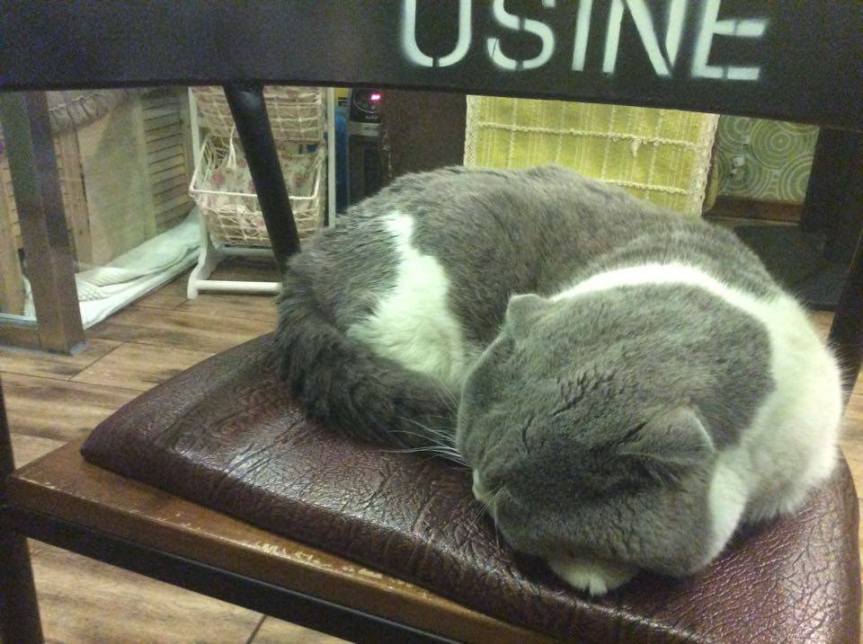
As far as the little things go in China, China certainly has it’s own missable charms. It’s here where I’ve slowly built up my tolerance to sesame seeds, spicy food, and the taste of beer. I’ve gained so much experience in Tianjin: as a teacher, student, cat lady (I spent way too much time at this cat café not too far from my work), solo traveler, amateur blogger…

Five months may feel like five years to some, but it’s been a blur to me. Who will I miss the most? My kids. My students have had an immeasurable impact on me, just considering how much time I’ve spent with them over the past few months. I’ll miss the friends I’ve made: both locals (my coworkers) and expats alike (aka Indie Bar).

I know that I will crave jian-bing, my favorite street food and a Tianjin staple. I will miss living where I can walk everywhere, but also have the convenience of the subway and cheap cab-rides at hand. China is a place where a trip to the supermarket was always an adventure, and it was in Tianjin where I learned to be flexible with my grocery list. Not everything was packaged familiarly, things came in odd flavors, and sometimes I had no choice but to purchase “mystery” snacks… #wheninchina.

As I spend the next three weeks traveling further South around China, I will miss that I was able to plant some roots here for a little bit, even if it did mean living in one of the most heavily polluted cities, and having to fight my way through the subway Saturday mornings for work. But, I am looking forward to refreshing scenery, fresher air, meeting whoever I may cross paths with, eating loads more delicacies and making the most of the rest of my time in China.

Next stop: Shanghai!

So Into Indie

12212461_10153266902487547_51411776_n

Down an unassuming alleyway off of a side street in Tianjin’s Nankai district, resides a true gem. This gem goes by the name of Indie Bar, a favorite spot among expats and university students alike. Last month, I  posted about my top three Tianjin to-dos… this place deserves the #1 spot. It’s #1, and that’s why it has the honor of an entire blog post.

Indie Bar is run by Jesse and Rain, the warmest couple you’ll ever meet. Jesse is a Canadian transplant, and Rain is a Tianjin local. Indie serves from a full bar (the only place in China I’ve found that can serve a proper whiskey ginger), and whips up some Western favorites, from pizza to pancakes, all at reasonable fares.

My first visit, I went to Indie with a co-worker. My co-worker had been there before, and we still got lost along the way… consider the journey to find this  place as your “initiation” into Indie Bar, as everyone gets lost trying to find this place for the first, second… sometimes even third time. It doesn’t help that there’s no sign on the outside that you can see from the street. Upon entering my first visit, all of the patrons were in the middle of some cowboy-wild west card game. Nobody was off to the side by themselves, awkwardly lingering. And two seconds after we got drinks, we were asked to pull up chairs and join in on the game. It was nice to feel so welcome, and unlike the “newbie” that I was in Tianjin.

Indie has such a relaxed atmosphere. It’s nice to go there and recognize familiar faces and unwind after an especially busy day of teaching. I frequent the bar on Mondays for movie night, and Wednesdays for trivia, but any day of the week (except for Thursdays, as they’re closed) you’ll find something going on: live music, a bar-wide game of charades, or you can take your pick from their mini library and curl up with a book or relive childhood and challenge your friends to a good ole game of Monopoly. They had a killer Halloween party, and friends I made through Indie hosted wonderful Thanksgiving parties.

Indie Bar just celebrated its two year anniversary in September, and I foresee it celebrating many more to come (although possibly in another location). It’s more than just a bar. It’s a community. Before I started going here, I felt like a stranger in Tianjin. But through Indie, I’ve met some really terrific people who are expats like myself, going through the same bouts of missing home, struggling with the language barrier, and trying to find themselves in this great, big, and scary world.

The struggle to find this bar is worth it. Easier said than done when you look at getting lost as part of the adventure. I didn’t expect to find a place so welcoming, and so wonderful in Tianjin. But places like this do exist thousands of miles from home. Don’t be afraid to get out and discover them. I’m so into Indie (as is anyone and everyone who stops by this bar), and I promise you would be too.

It’s wild to think that I only have a little over a month left of teaching before I spend the next couple of months traveling a bit through different areas of China, other parts of Asia and Europe… but more on those plans later. I just feel like six months in China is nothing. To some people, yes. I can understand that six months can feel like six years. But not to me. There’s a part of me that wishes I had only just arrived. I guess time really does fly when you’re having fun.

Happy late Thanksgiving, y’all! Hope you ate lots and lots. Cheers.

Love from Tianjin ♥

Tianjin Transport (30/3)

I filmed some clips of my commute to work my second or third week in Tianjin. It’s just taken some effort for me to sit down and tell myself to put those clips together to make an actual video. So, don’t be fooled by the fact that nobody is in winter gear in my video. It’s turned into the Arctic Tundra overnight in China. Just a few days ago, it snowed in Beijing! But anyways, I digress.

I thought it would be neat to share a bit of my daily routine here in China. It’s very exciting for me, as this is the first time I’ve ever had to take the metro to a job before. When I got a metro card just like the locals, it was a big moment (this video was filmed before I had the Tianjin staple of a metro card, and instead was purchasing a token for each ride).

If you’re traveling anywhere with a subway/metro system: use it. Metros exist for a plethora of reasons, the best of which is that it saves money. In Tianjin, you save 20% of your fare when you pay with your metro card as opposed to buying one-way tokens.  Getting a card does involve a 20¥ fee, but that works like a deposit, so I’ll get that back before I leave. Other perks of the metro are that it’s better for the environment, works as shelter against the elements, and is an ideal place to people watch.

As with any public transportation in a metropolitan city, expect craziness during peak times, such as morning rush hour and around dinnertime (7AM-9AM and 5PM-7PM). Having experienced rush hours in both New York and Beijing, rush hour in Tianjin, by comparison, is a breeze. For that I am really grateful! It’s taken a bit of getting used to the fact that the concept of “personal space” doesn’t quite exist in China. This is very evident should you take any public transportation around here, and even while you’re waiting in line for food… let’s just say that lines don’t exist at all. Be prepared to be cut in line almost everywhere! But the most inconvenient aspect of the metro is that it only runs until about 10:30PM, so I’ve had no other option but to take a taxi home if I miss the last subway. However, compared to the cost of cab rides in America, taxis here are incredibly inexpensive, and therefore reasonable means of transport (less than $2 if I’m running really behind and need to cab it to work).

Riding in taxis in China is always an experience. I still remember my first taxi experience in Beijing. It was terrifying. One of the first observations I made in China was that pedestrians do not have the right of way. I repeat: pedestrians do not have the right of way. I mean, cars will stop for pedestrians, but it’s almost as if it happens as a second thought for drivers. Drivers here drive very fast (in addition to an English newspaper, I have yet to see a single speed limit sign), and tend to stop at the very last second should they need to. Upon my first few weeks of arriving here, I had a couple of close calls as a pedestrian, and  remember seeing my life flash before my eyes a few times as a passenger!

After my fair share of cab rides since I’ve been here, I’m no longer a basket of nerves through a ride. In actuality, I find them to be quite comfortable these days with the winter weather and all. And taxi drivers are some of the coolest people ever. They are the locals with whom I’ve practiced my Mandarin the most, and mostly to give directions, but I think it still counts. I remember one time I managed to communicate to my taxi driver that I liked the song playing on the radio, and he proceeded to blast the stereo for the rest of my ride. So sweet.

My commute to work takes about a half hour. I walk ten minutes to the subway from my apartment, ride for three stops for about 15 minutes, followed by a five minute walk to my teaching center. From my apartment to the subway station, I’m going in the opposite direction of traffic, so you’ll notice in the video that plenty of bicycles, mopeds and motorcycles pass me on my right side. Given the traffic congestion in China, I think it’s wonderful that they have an entirely separate lane for smaller means of transportation on main roads. Did I tell you about that one time I rode on the back of my co-workers moped? When in China, right?!

I apologize in advance that the quality isn’t the greatest, but I hope you enjoy this little video of mine nonetheless.

Love from Tianjin ♥

Three Tianjin To-Do’s

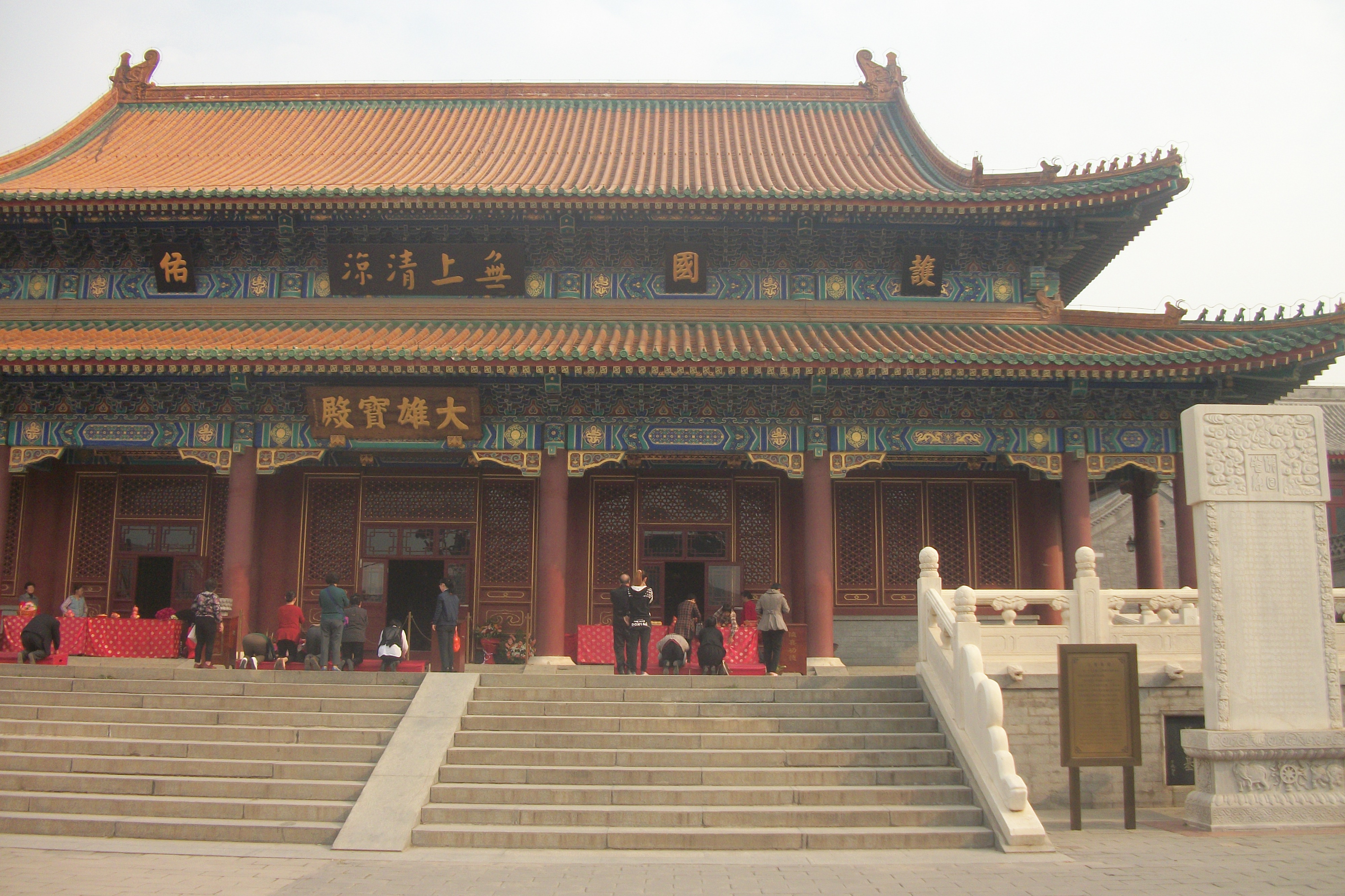
The Great Hall of the largest Buddhist Monastery in Tianjin.

Recently, a friend back home asked what I did for fun around here. Well, I teach preschool aged-preteen students English five days a week, and that’s pretty entertaining. But as much as I enjoy teaching, I am only human. I look forward to days where I can just rest my voice from speaking so much. I get two days off a week, and while my days aren’t always consecutive, I still make it work.

I gave myself the personal goal to either visit a new site or two in Tianjin on my days off or try a new street food or new restaurant… aka be a tourist. In an effort to save money, I’ve mostly been checking out the local sites, as a majority of them are free and with my poor sense of direction, can easily kill a few hours in a day. A few of my favorite places I’ve visited have been the Buddhist Temple of Great Compassion, Cheer Market at Joy City, and Da Hutong in Downtown Tianjin.

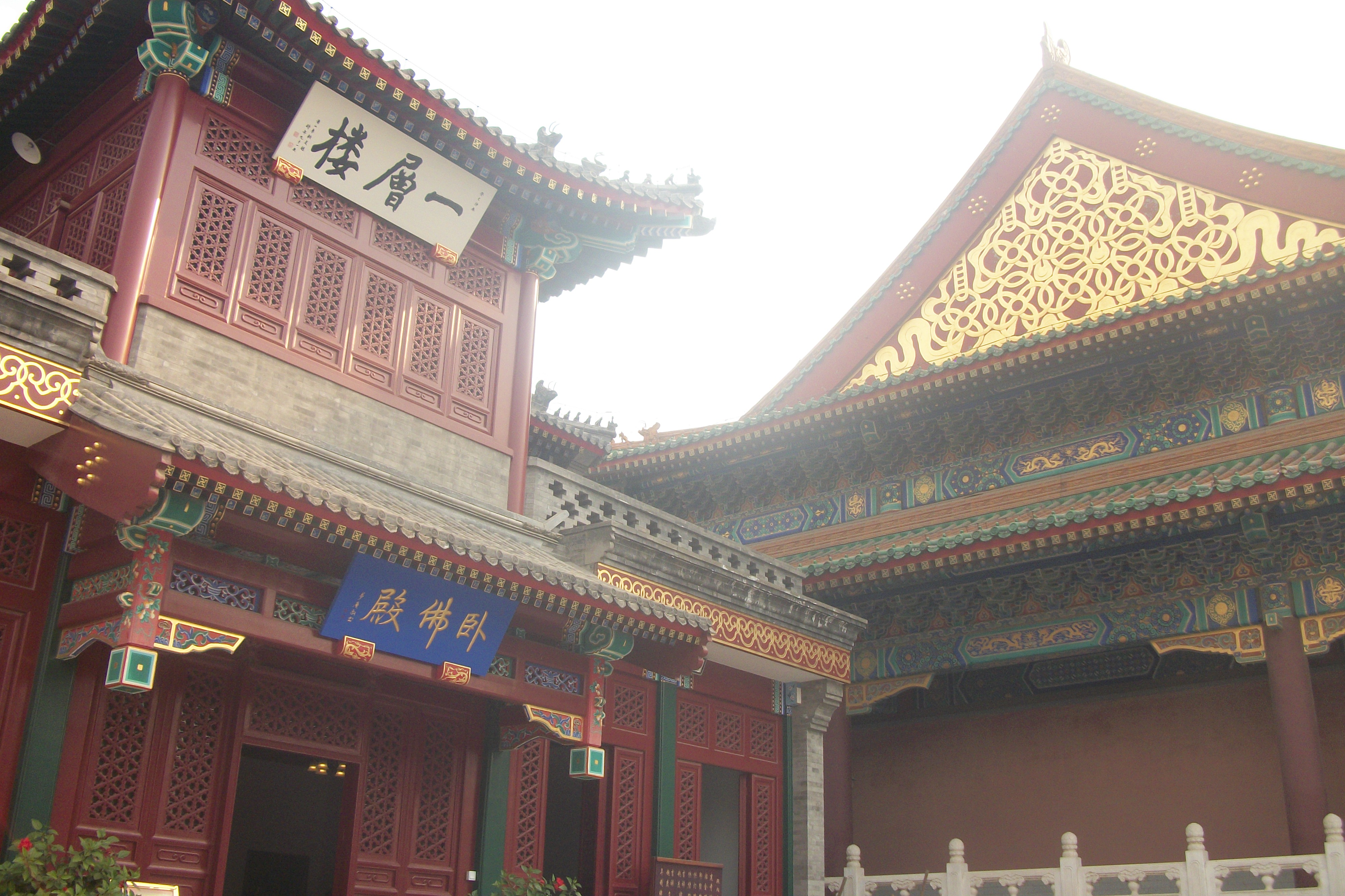
I’ve visited quite a few temples since I’ve been in China. After awhile, they all start to look very similar (much like how in Europe, when you visit basilica after basilica, it ends up being a blur). So, I might be a little biased because this temple is quite near to where I live, but I highly recommend a visit to it. Admission is 5¥ (less than a dollar), and you receive a few sticks of incense to burn in offering as well. While every temple I’ve previously visited had been flocked with tourists (i.e. temples in Beijing my first week in China, and Guangzhou and Foshan during Golden Week), this one was mostly filled with worshippers. I use the term “filled” loosely, as the temple grounds are the largest in Tianjin, and so I felt, for the first time in forever, that I wasn’t in the most populated country in the world

I visited the temple a little past nine am on a Wednesday. It may have been coincidence, or maybe mid-week mornings really are a less popular visiting hour, but whatever the case, I’m really glad I made the decision to go when I did. The grounds were incredibly peaceful, and while the architecture wasn’t something I hadn’t seen before, I admired how clean the temples and yards were, and I loved how many areas of open space were available for one to just perch and people watch. You’d be surprised at how sparse benches are to come by in China, unless you’re in a park of sorts. Next time, I plan on visiting during lunch-time, as their restaurant is the only monastery in Tianjin that serves vegetarian food. I will also be sure to bring a book with me, as I foresee myself enjoying many days off reading in one of their courtyards. 111_7674111_7686

The malls in China are impeccable. I have yet to enter a mall that hasn’t been incredibly clean, contemporary, large enough to play a decent game of hide and seek in, and full of brands with plenty of nice items, that are sadly too pricey by the standards of your favorite friendly neighborhood thrifter. Joy City in Tianjin is one of these malls. It took me three separate visits to cover it from end to end (at least I think I’ve covered the whole mall!)

Similar to how the temples in China have been a blur, visiting a mall in China can be a dizzying, overstimulating experience, especially if you go on a weekend or during a holiday. I appreciate that the malls here, similar to malls at home, serve cuisine from all over the world. I know that whatever craving I have, I can satisfy it by going to the mall. Just as diverse are their shops and the fashion they house. Not to mention that almost every mall I’ve visited has had some sort of arcade, playground, or full scale ice skating rink within it. What sets Joy City apart though, is a magical place called “Cheer Market.”111_7575

If I could describe Cheer Market in three words, they would be: inventive, youthful, and energetic. A space on the fifth floor of Joy City has turned into a haven for creatives. The set-up is meant to replicate that of a pedestrian street, but instead of knock-offs and questionable street eats, this market is filled with vendors who are selling original handmade goods, organic eats, and their skills with accessible workshops to the masses. I felt like I was transplanted to the Chelsea Market in New York, which if you’ve ever been… you know that it’s always difficult to leave because there’s always something new to see. 

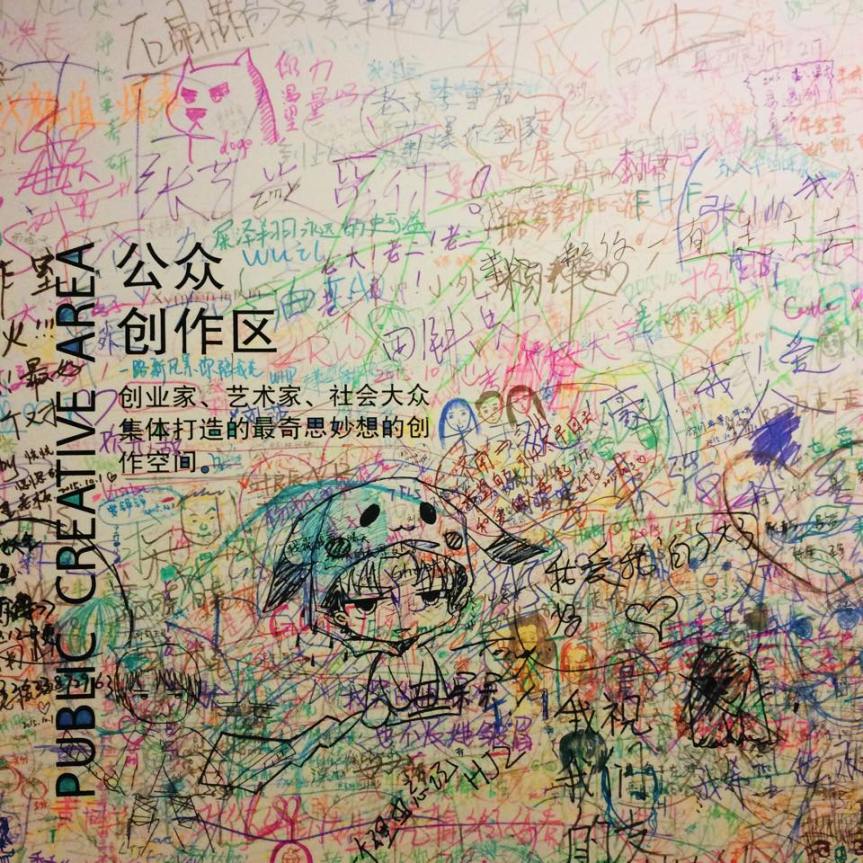
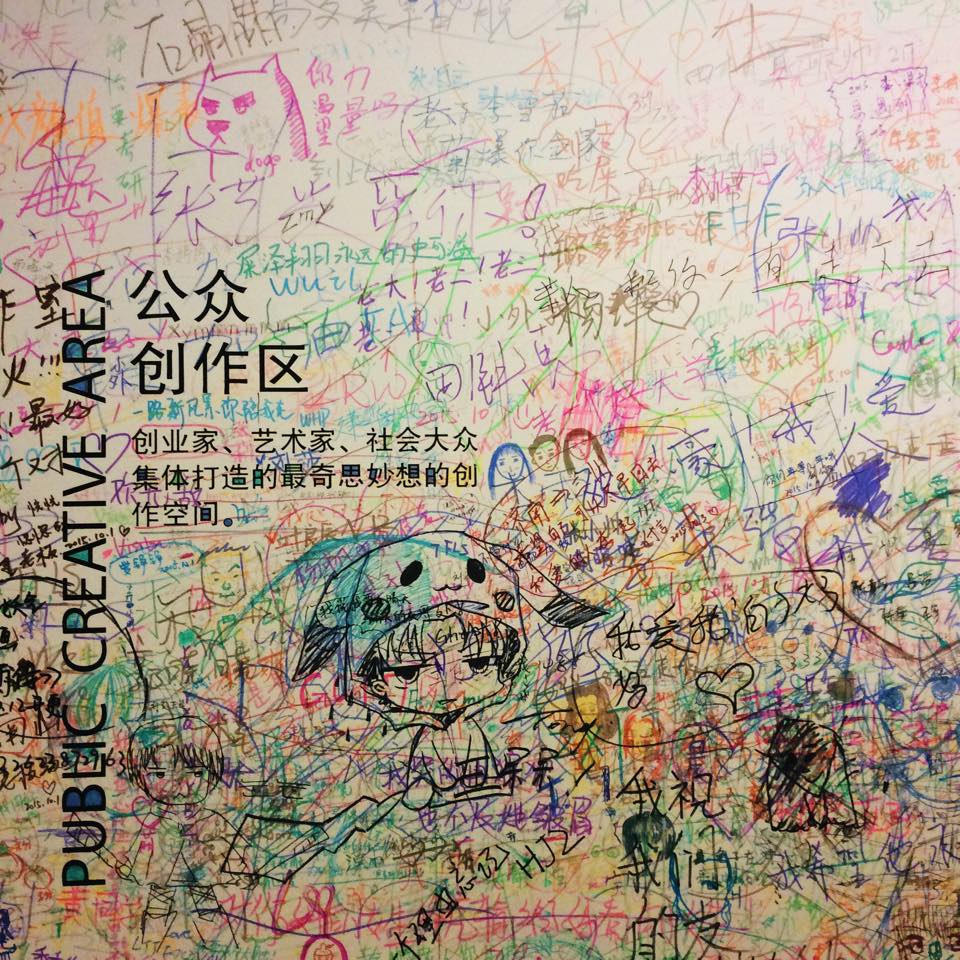
All of the interior decor and design featured through the market, specific to each vendor and their style, was very pleasing to my eyes and gave me such a happy heart. A favorite area of mine was on the second floor, where a gallery was located. The “Public Art Space” was beautiful. I made sure to leave my mark. Also on the second floor was a contemporary installation piece which the public could engage in as well. Not having seen much contemporary art since I arrived (and being a “fan” quite the understatement), I left Cheer Market after my first visit, well, cheerful, and very joyful that I could get my art fix on at Joy City.

12179226_10153243914117547_166490919_n

Now, imagine that you need to do grocery shopping, pick up some new kitchen utensils, buy a birthday card for a friend, plan a dinner party, and possibly purchase a new outfit for said dinner party. Back home, that would require a trip to multiple shops/destinations (or maybe just Target, ^_^). It would take an entire day of running errands to gather all the supplies on my list. But in Tianjin, I am very fortunate to live two blocks from the mecca of all things imaginable.

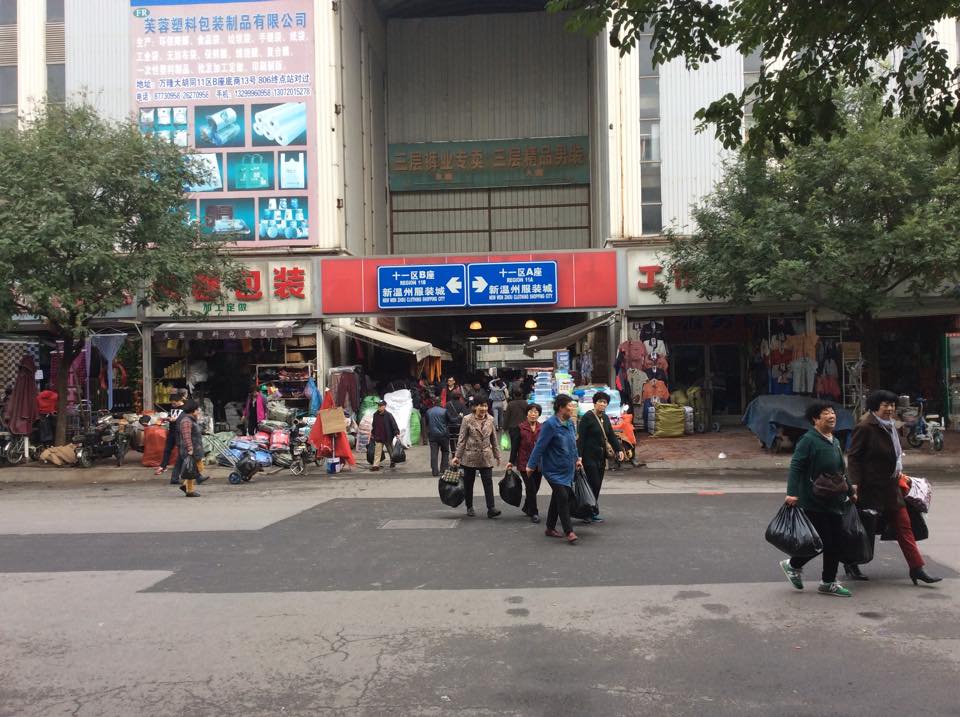
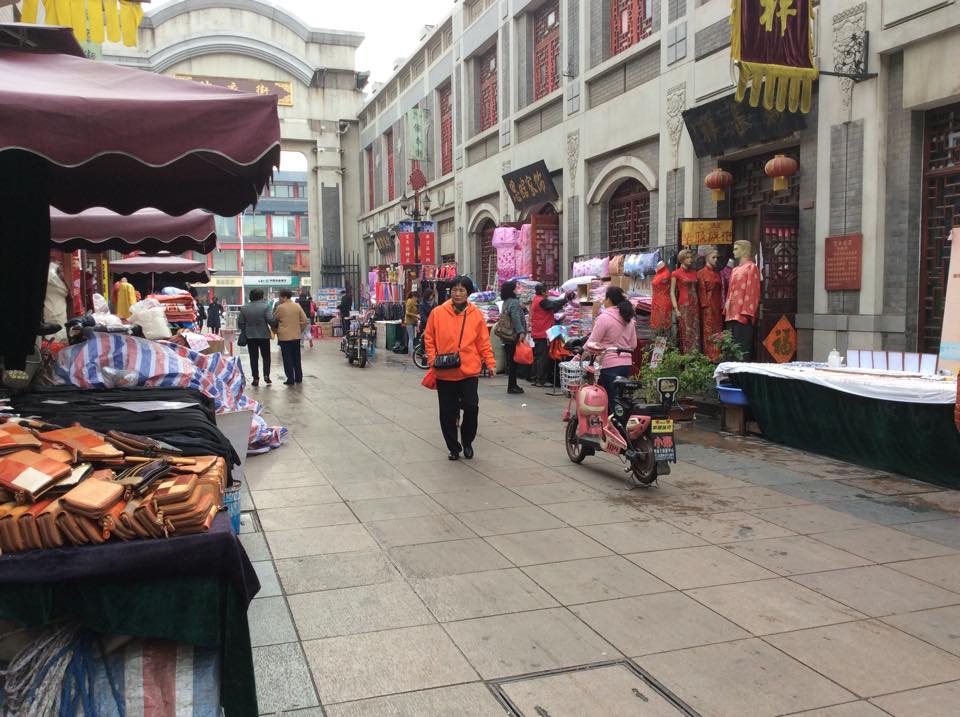
Shopping central is located by way of Guyi Street and it’s surrounding area, recognized as  大胡同 or “Dà Hútòng” in Chinese pidgin English. It roughly means “big alleyway,” although “big” would be an understatement. It’s an actual maze, this place. I’ve been there close to a dozen times, and I still don’t think I’ve seen everything that this area has to offer. This super duper market is actually comprised of several streets and alleyways, indoor malls, food vendors galore, a post office, a few restaurants, and banks. Basically, it is it’s own little city. Everything on your grocery list and otherwise can be found here, and every price is negotiable (if you’re good at that sort of thing).picisto-20151026012753-41634212179499_10153243873247547_310558017_n

Da Hutong lives up to my expectations of a traditional Chinese market. There’s lots to look at, and it’s where all the locals shop for deals. It’s a cacophony of people bargaining, vendors hawking their wares, scooters and bicycles going up and down the alleys and sidewalks, and pans sizzling with street food. You can easily spend an entire day wandering through this massive shopping center, and there are different areas that are supposed to be designated for certain goods according to signs throughout, but a little bit of everything seems to be sold and scattered throughout. 12179305_10153243873747547_1906801337_nI find that the best way to experience and take in a place is to just walk around. I’m only in China for a few months, and I want to take advantage of the time I have here, but you don’t and shouldn’t have to necessarily be in a new place to feel motivated to get up and at ’em. You could be in your hometown, a place you’ve lived for a few weeks, months, maybe even years. Go check out that restaurant you keep saying you’ve been meaning to try! Or finally visit that shop with the neat window display that always catches your attention!

It helps having a destination or two in mind of sights you want to see (and a map), but they’re not always necessary. I find walking around, especially on my days off where I have no obligations to fulfill, greatly entertaining and relaxing. It’s especially fun in Tianjin, where I don’t know my Mandarin characters, and so stepping into a new shop, and just the entire supermarket experience always involves some surprises. There’s a lot to be discovered still in Tianjin, and I find it so convenient, and completely adore that my three featured Tianjin to-dos are walking distance from my apartment, and that anything further away, I can just hop on the subway for. I’m not sure where I’ll live whenever it’s time for me to establish some sort of permanent residence, but if there’s one thing I know, it’s that I would be happiest in a walkable city or town. Yes, please.

Take a walk on your next day off, for no reason. Where’d you end up?
What are some of your favorite places where you live? Let’s share stories, friends. Feel free to send me a message/comment.

Love from Tianjin ♥

Eating My Way Through China : A Pescatarian’s Perspective

When you have certain dietary restrictions, eating out can become a bit of a hassle. Of course, it helps having a few favorite restaurants where you know your diet can be accomodated. I’ve been a pescatarian for five years now, and I also have food allergies (namely all tree nuts and shellfish). At twenty-three years old, I’ve lived on the same continent, and easily know what/where I can eat without having any major issues.

But this past August, I jetted off to China to teach English for six months. Back home, Chinese cuisine has never been a favorite of mine, mainly because many dishes use ingredients I am allergic too. A huge concern for both me and my parents was how and what I would be able to eat in a country where I barely knew the native language, and therefore couldn’t effectively communicate my allergies.

For orientation week with LoveTEFL, the meal plan set-up we were provided was actually very convenient, despite the culture shock I experienced and how little of an appetite I initially had after arriving in China. With our meal plan, we each got a card with money on it. This money could be spent in the cafeteria, and at a couple of restaurants, cafes, and convenience stores also on campus.

So while the cafeteria wasn’t anyone’s favorite place to eat, it was set-up as any school cafeteria in the West. I could see and choose what I was eating, and there were no surprises involved with any of my meals there. Even if I had been ravenous, there were always vegetarian options in the cafeteria (all kinds of vegetables, rice, egg pancakes, noodles, tofu, etc). I also definitely enjoyed my share of chocolate croissants and tea from the cafe on campus too.

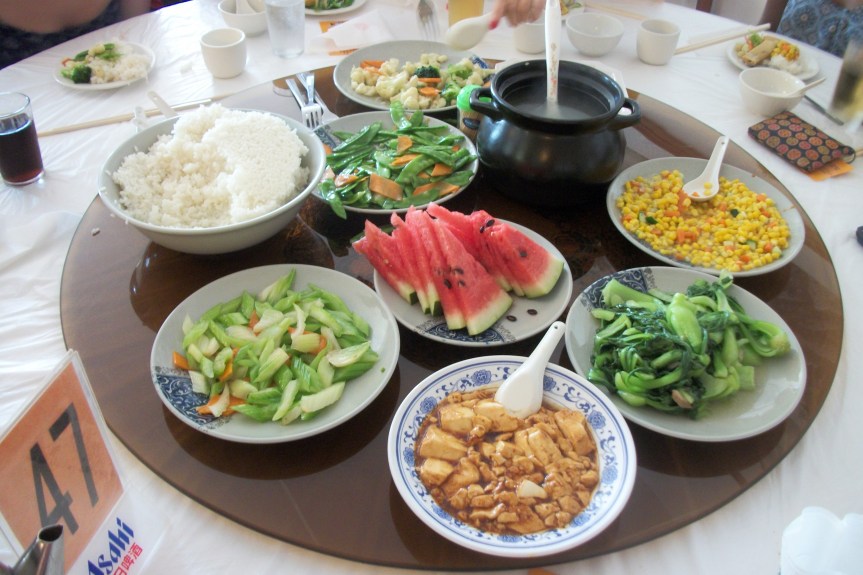
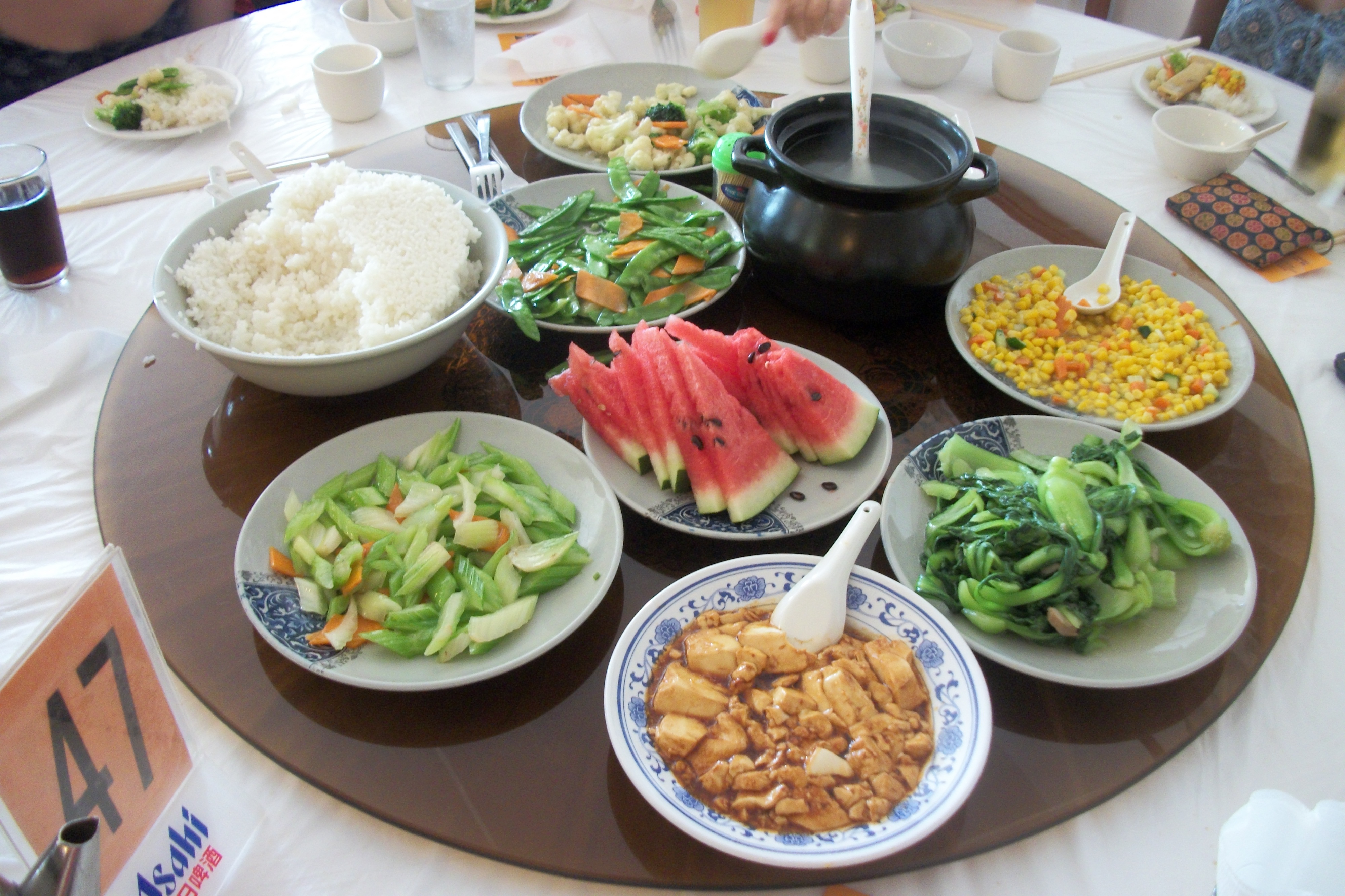
LoveTEFL also took us out to local restaurants in Beijing a few times during orientation week, and when it came to eating out, there were enough vegetarians in our internship group that we had our own designated vegetarian table. I’ve said this in a previous blog post, but I’m going to say it again: whoever said I would starve as a pescatarian with food allergies in China is a liar. I felt that the restaurants we ate at were fairly accommodating of our dietary preferences and restrictions. There was always more than enough food! Much more than what most of us could consume given the culture shock and homesickness we were all similarly experiencing.

Canteen/Cafeteria nommin'
Canteen/Cafeteria nommin’
111_6974
Post-Great Wall Feast.

I’ve been in Tianjin, where I’ve been placed for teaching, for almost eight weeks now (crazy!!!). And while LoveTEFL isn’t here to hold my hand and order for me in restaurants, I’ve managed just fine. Here’s some advice for those heading to a foreign country with dietary restrictions/allergies:

  • Learn some phrases in the local tongue. The phrases I am most comfortable speaking in Mandarin, aside from greetings are “wo chi su” (pronounced: woh-chee-soo for “I eat vegetables”) and “meiyou rou” (pronounced: mayo-roh, roughly “no meat”).
  • I have two epi-pens with me too, in case of an emergency. If your allergies are as serious as mine, you probably already have an epi-pen or two in your possession. Just double check the expiry dates on them before your trip and get your prescription filled as needed.
  • If you have allergies, knowing how to say “I am allergic to such-and-such” is especially helpful as well, and gives me more of piece of mind when trying new dishes. I know that learning a new language can be tough. I feel really self-conscious whenever I speak Mandarin. But, if you have a phone or tablet, you can always screenshot these phrases or write them down on an index card to carry with you.
  • A couple of apps that I’m finding most helpful if you have a smartphone or tablet with you, are Pleco and Waygo. Pleco is an English-Chinese dictionary, where you can type in an English word to come up with a translation (and sometimes phrases work too), and Waygo specifically translates food/menu items with your device’s camera. Both work offline, which has been a lifesaver on more than one occassion. Waygo I tend to use at the grocery store more than anything, to distinguish the different flavors of items, but I have tested it on a few menus with pictures, and the translations are pretty decent. But still, use caution. Asking is always better, if you’re not certain.
  • Another great thing to ask others are for recommendations for places to eat. If you don’t feel comfortable asking just anyone, don’t hesitate to ask your fellow teachers at your school! Everyone is always so willing to help at my teaching center, and I’ve been shown some really great places to eat. Bonus is that they speak both Mandarin and English, and know of my allergies, so I feel comfortable trusting my order with them.

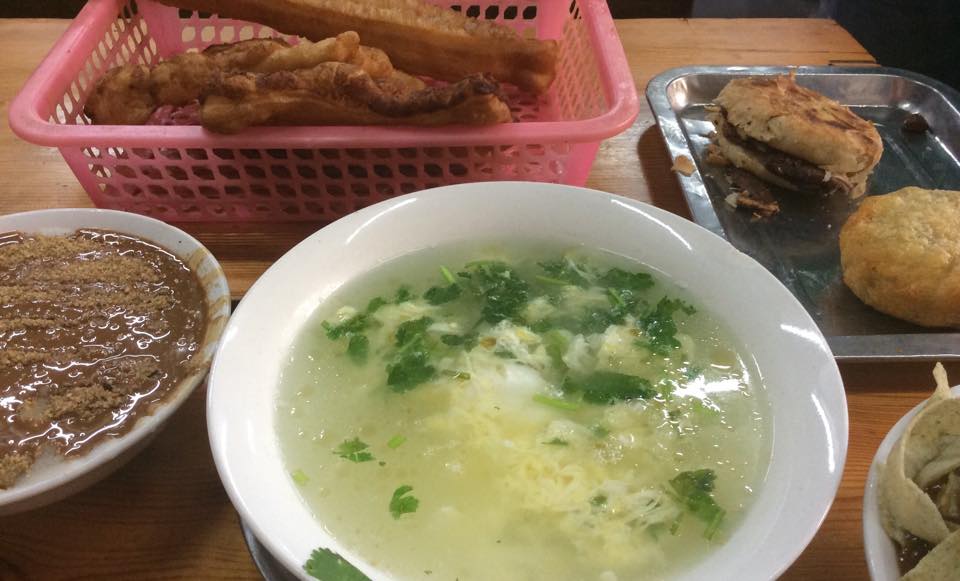
    Amazing breakfast place a co-worker took me to.
    Amazing breakfast place a co-worker took me to.
  • Cook at home! That is, if you enjoy cooking. Not only does it save money, but there are no questions or surprises when you eat what you cook yourself! Just be careful about picking up snacks from the market. While Chinese brand items are sometimes cheaper, altogether too often do I choose something that looks like a plain flavor, only to translate it via Waygo and learn it’s actually peanut/sesame/shrimp flavored. A safe bet are recognizable brands of snacks, like Quaker, Lay’s, Oreos, Ritz, Nestle etc.
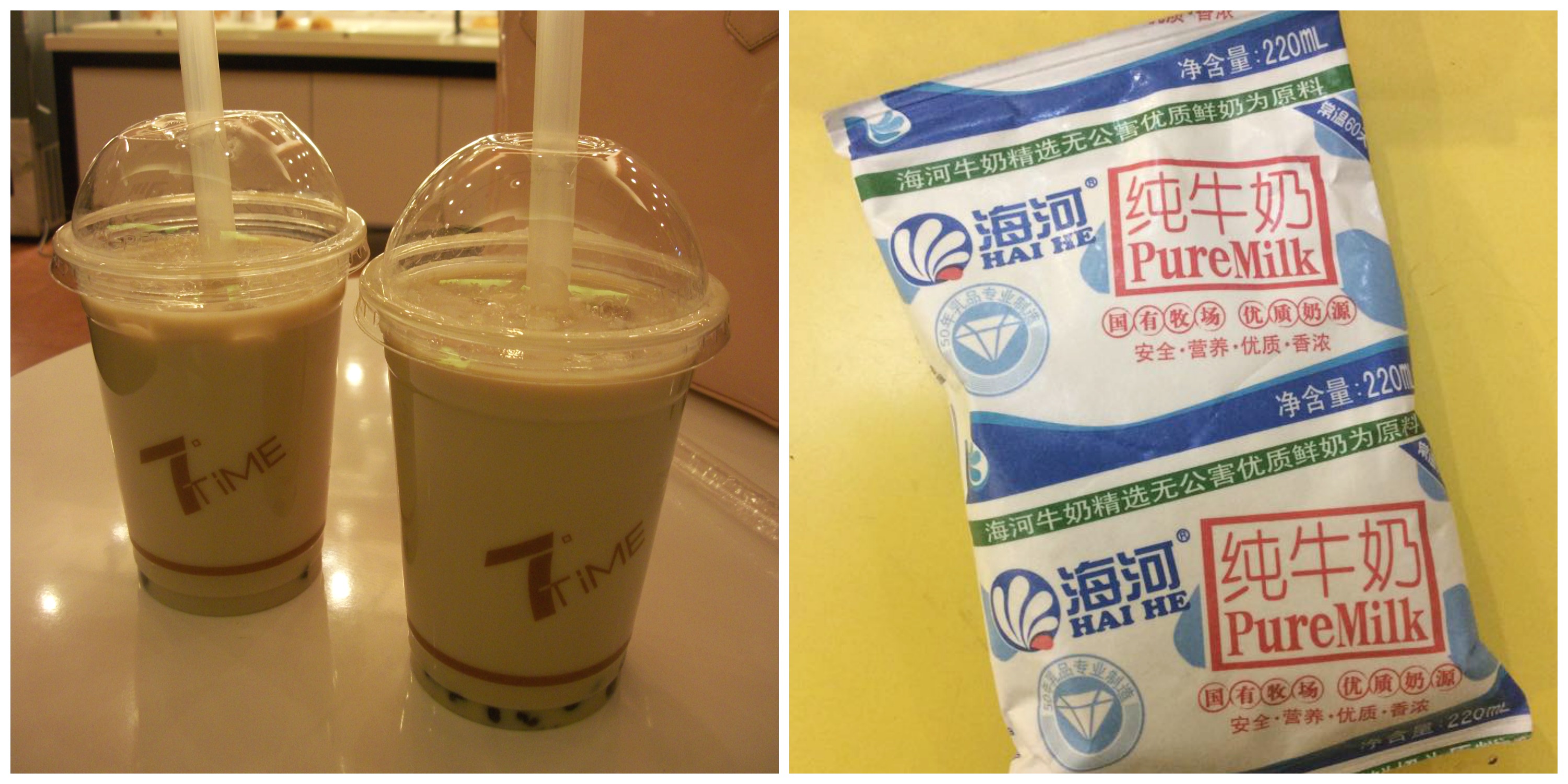
  • When it comes to drinks, if you’re on Team Tea like me, you won’t have a problem. Very popular, and for a 1/3 of the price back in Florida, I’ve enjoyed one too many bubble teas/boba drinks (or milk tea, as they call it here), almost always from little shops or kiosks at the market, and one unfortunate time I drank expired milk tea from 7-11. Teabags are easy to find at the market, but expect to pay a little more for brands such as Lipton. I also recently gave milk here a shot. It came in a convenient little pouch, and while it was a bit sweeter than I was expecting, I would drink it again!Food is a common language in itself, no matter what part of the world you are in. While I do tend to cook at my apartment a lot, eating out is a terrific opportunity to practice the language, and experience the culture. Food has always been a great way for people to come together. Don’t let your diet restrictions or preferences keep you from trying new items. It’s alright, and reasonable to be hesitant, but don’t bridge on paranoia. I think it’s very important that I take advantage of traditional dishes and distinct tastes I can only find in China (that also of course won’t put me in the hospital). One of my favorite treats so far looks like a “bath bomb,” but it actually a mini jam filled fried cake, a traditional Tianjin snack.

111_7148

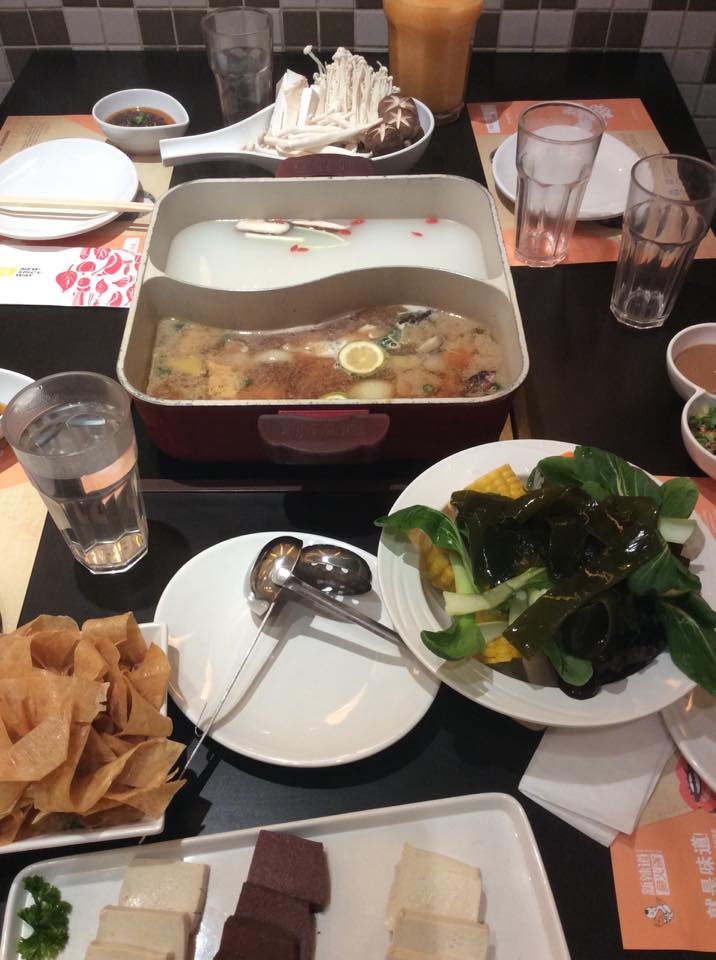
Some of the most delicious things I’ve eaten so far on this trip have been from street vendors! I’ve also become a huge fan of hotpot and “malatang.” With both hotpot and malatang, you choose from an array of fresh and raw ingredients that are cooked and typically served in a broth with spices of your choosing. Malatang is meant to be spicy, although I prefer mine mild.

For hotpot, you choose your ingredients, and cook and serve yourself from a boiling pot in the center of the table which you share with friends/family (or, you can have yourself a hotpot party of one). The places I’ve been to for malatang featured shelves of baskets of ingredients which you fill a bowl with, depending on what you want and how much you want (vegetables, noodles, protein, etc). You pay by weight, and your bowl of ingredients gets cooked right before your eyes. You can hit every food group enjoying malatang or hotpot!

12067306_10153197878702547_20093053_n
Hotpot happiness.

I’ve been incredibly satisfied after every meal I’ve eaten out. Aside from drinking that bad milk tea (my own fault, for not checking the expiry date), I have not had any real issues with food in China. Every person is different and some people adjust to foreign cuisines a bit faster than others. Several people on the internship decided to go vegetarian while in China, at least to start, and that’s something to consider if you’re headed to a foreign country with a sensitive stomach. Just take your time and take advantage of trying different foods. There will be plenty of it, around every street corner. Just keep an open mind, and as the saying goes, “when in China…”

Love from Tianjin ♥

Three weeks into teaching… go saints! (And bingo!)

I woke-up late to my first day of orientation in China a month ago (Florida-time). It’s crazy to think that I’m midway through my third week of teaching! These past few weeks have been really busy getting settled into my new teaching center, meeting a ton of new students, remembering and forgetting a ton of new names, and creating a ton of new lesson plans. New, new, new… I came to China to teach, an extraordinarily new direction for me to go in, both professionally, and literally in terms of geography, but I’ve become quite fond of the thrill that comes with being in a foreign place.

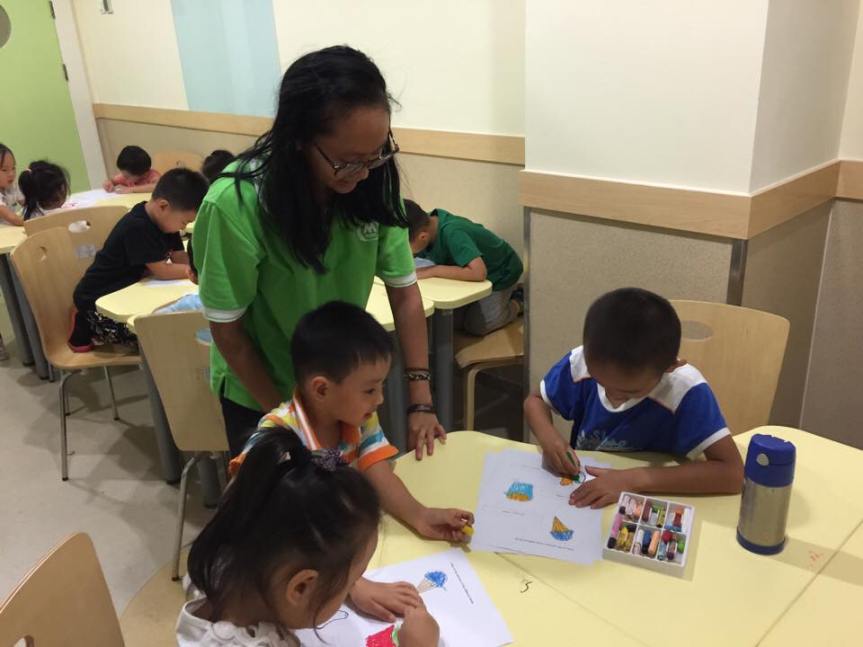
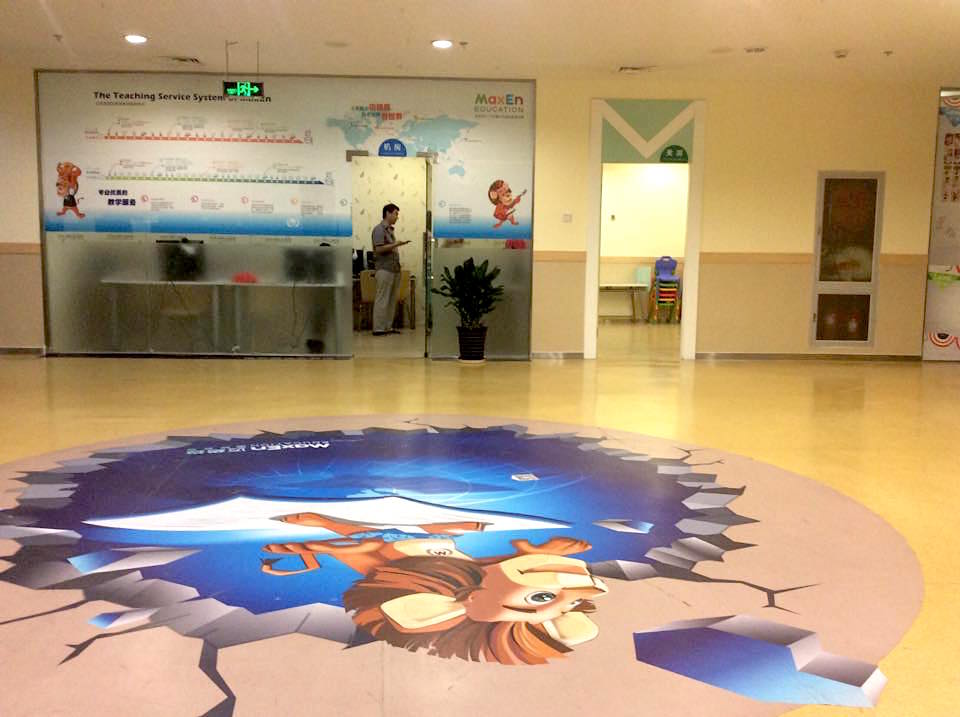
A word on my teaching center: I have been referring to it as a “teaching center” as I don’t work at a traditional school. Rather, I work at tutoring facility, similar to Kumon in North America. It’s called MaxEn International, and they have centers all over China (we use workbooks and programs designed by McGraw-Hill, if that educational publisher rings a bell for anyone back home). Classes are either two or three hour sessions, and children attend these classes after-school or on weekends to learn and practice their English.

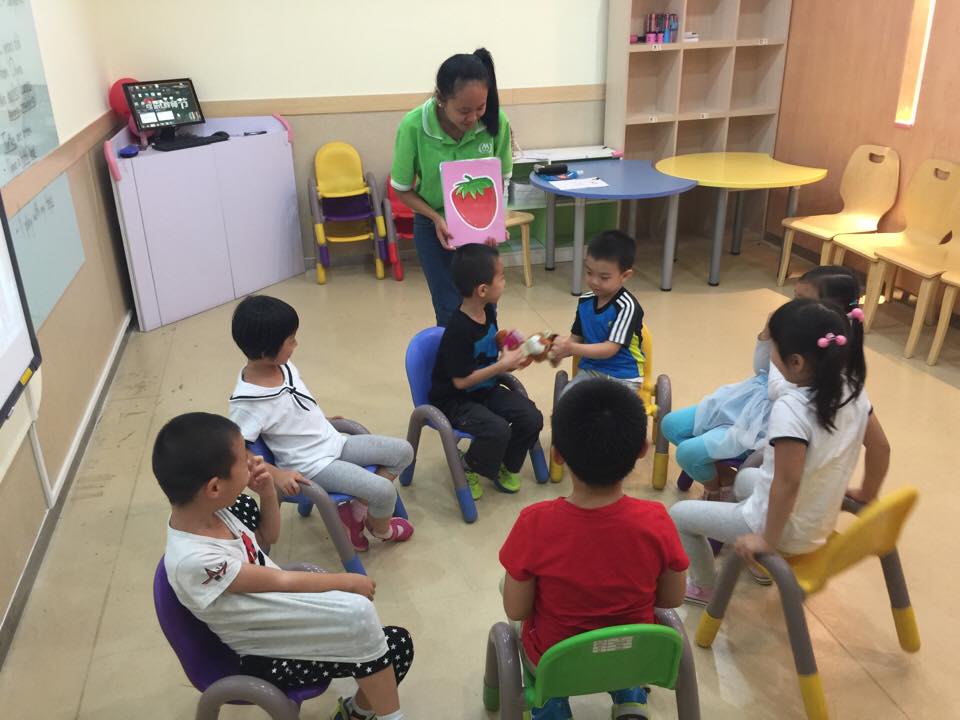
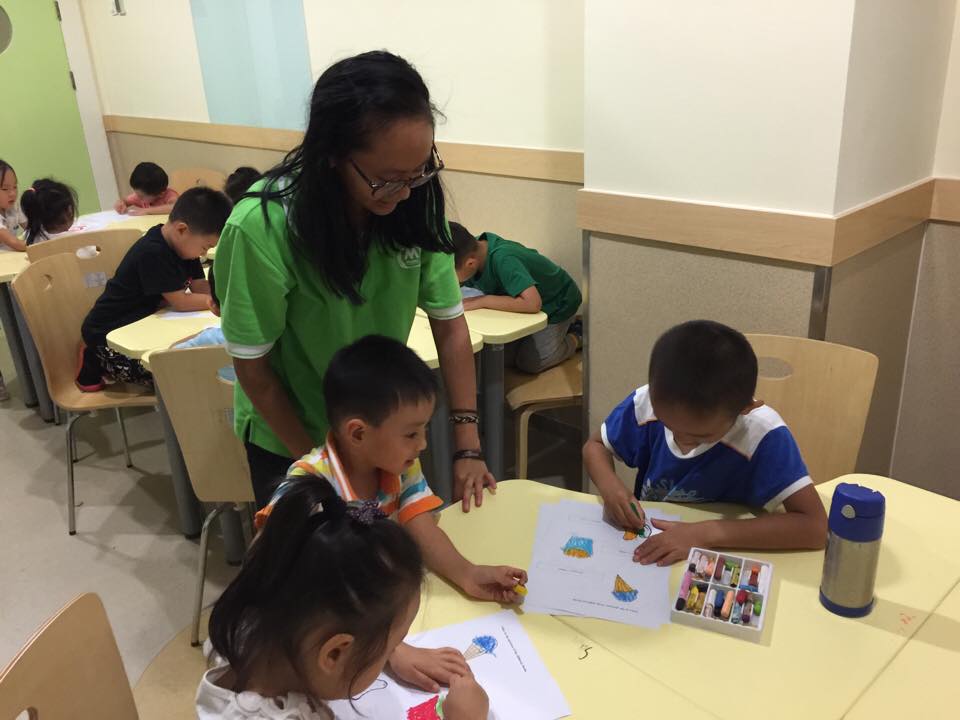
So while I do work evenings and weekends, the classes are very small, thus manageable (I have never had more than twelve students to a class), and rather than teaching one grade level, after these three weeks I will have covered the spectrum from pre-school to high school aged students (3-14 years old), which I think is terrific experience. Also, if you can’t tell from the photos below, we have a uniform of sorts, so that you can easily spot us teachers in a sea of students. As unflattering as this shade of green is, I’m actually really grateful for this uniform. It saves me a lot of time in the mornings. Also, more importantly, the mascot for MaxEn is a lion: go saints!!!12048564_10153188177652547_211130893_n

I’m learning that while I thought I would enjoy teaching a younger group of kids more (2nd grade and below), it’s certainly a lot more difficult than teaching the older kids, who already have a foundation of the English language. The little ones are so adorable, but they just require a lot more attention (and not to mention bathroom breaks). Even trying to explain certain vocabulary words, like “teamwork” and “salty,” in terms they can understand have stumped me a couple of times.

I am pretty exhausted leaving my younger level classes. Since the littlest munchkins have the shortest attention span, I try to keep the students as active as possible with role-play and games. My go-to games are “hot potato” and bingo, depending on the age group. Kids love games, and if you can turn vocabulary review into a game, you’re golden. A typical school day in Tianjin begins at 7AM and ends at 5PM. To follow these hours with another class at 6PM makes for an incredibly long day. Really, it’s just essential to me that the kids have fun while learning.

Lesson planning itself is a lot more basic and simple than I make it out to be sometimes too. I overthink everything, lessons included. The center itself is well equipped with any resources I may need though, aside from the occasional piece of realia, such as fresh fruit. But we have workbooks for each level with vocabulary and phrases depending on the topic of the lesson that I am expected to teach. My lessons are comprised of either Powerpoints or PDFs with some visuals for the vocabulary (which includes photos, videos, realia, etc), worksheets, flashcards, and games, of course. Each lesson comes with an online version complete with a couple of games that we also have access to, so there are plenty of ways to drill the vocabulary and help the kids learn. 12032391_10153187345877547_1077465496_n

Since I’ve started teaching, I’ve dealt with students who are disruptive to the class, students who are unwilling to participate, or who are only speaking Chinese, and students who won’t speak at all. Yes, these situations can, and have been frustrating, but slowly and surely I’m learning the best ways to handle these different scenarios. When it comes down to it, they’re just kids though, y’know? One of the toughest parts is going into a new class and not knowing what level of English the children already know. Did I make my lesson too hard? Too easy? Both have happened a couple times because every class is different. Even students at the same level have different strengths and weaknesses in their English. I’m learning that flexibility is key as a foreign language teacher.

It can be a little disheartening feeling like you haven’t taught students anything in a class, and sometimes I feel that way with the youngest kids. But, I know that with the youngest group of students, the kids are just really small. They’re still learning social skills, fine tuning their motor skills, and it’s hard for them to grasp so much new vocabulary, especially in a second language.

I do always finish class with an older group of kids feeling much more accomplished, and it just feels very rewarding, knowing that my kids are leaving having learned something new. I’m so honored to have this opportunity to be a mentor to these students. They’ve given me something to look forward to each day, and I feel like I have a real sense of purpose here, no matter how much of a class is spent coloring more than anything. I may be the teacher, but I have undoubtedly, and still am, learning just as much as my students. China is one big classroom in itself for me, where around every corner there’s something unfamiliar and refreshing to see, a different dish to try, a new phrase to learn… and for this experience, I just feel really grateful.

Love from Tianjin ♥
12047224_10153187343897547_1069868285_n

Packing What You Need vs. Packing What You Think You Need

Getting the Most Out of Your Suitcase While Only Packing the Necessities:

a) Lay your suitcase open. It’s good to see how much space you’ll realistically have to work with (unfortunately, not all of us can have Mary Poppins’ carpet bag).

b) Slowly add-take away-add-take away various items necessary for your journey with whatever pre-travel time you have. I go back and forth between packing what I really need vs. packing what I think I will need in my travels, but it’s a great exercise to make sure you only bring the necessities!

c)  I feel more prepared taking time with packing, rather than rushing everything the last minute. I know that I’m more likely to forget things, yet overpack all the same.

d) Making a list always helps me remember the essentials (important documents, prescription meds, underwear, etc) and by keeping to that list, unnecessary items are less likely to end up in my suitcase.

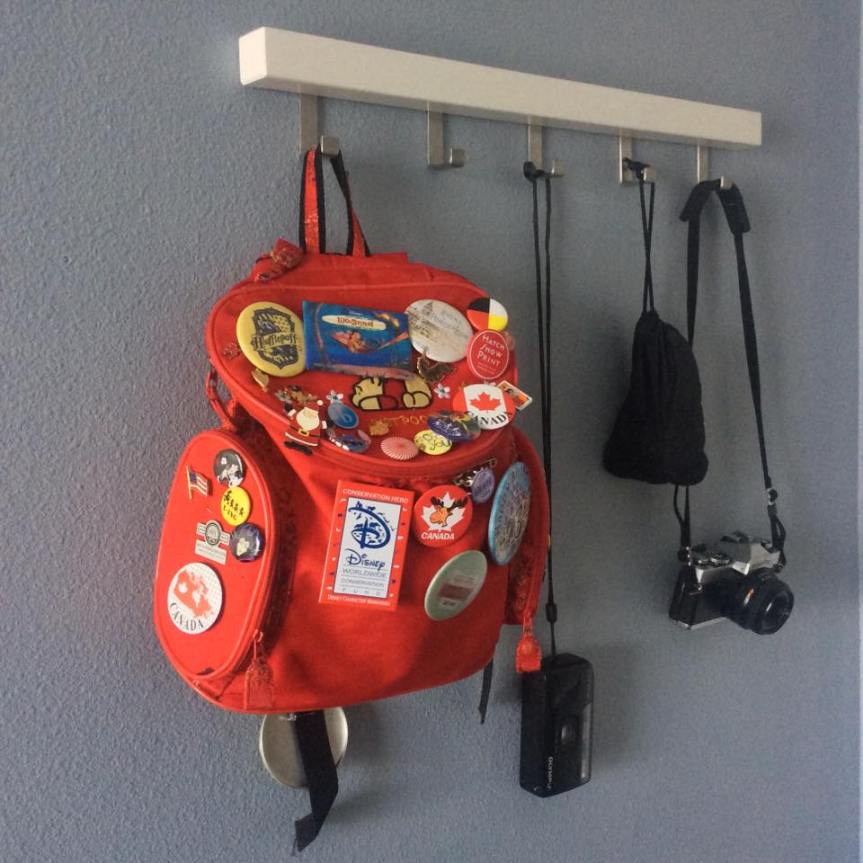
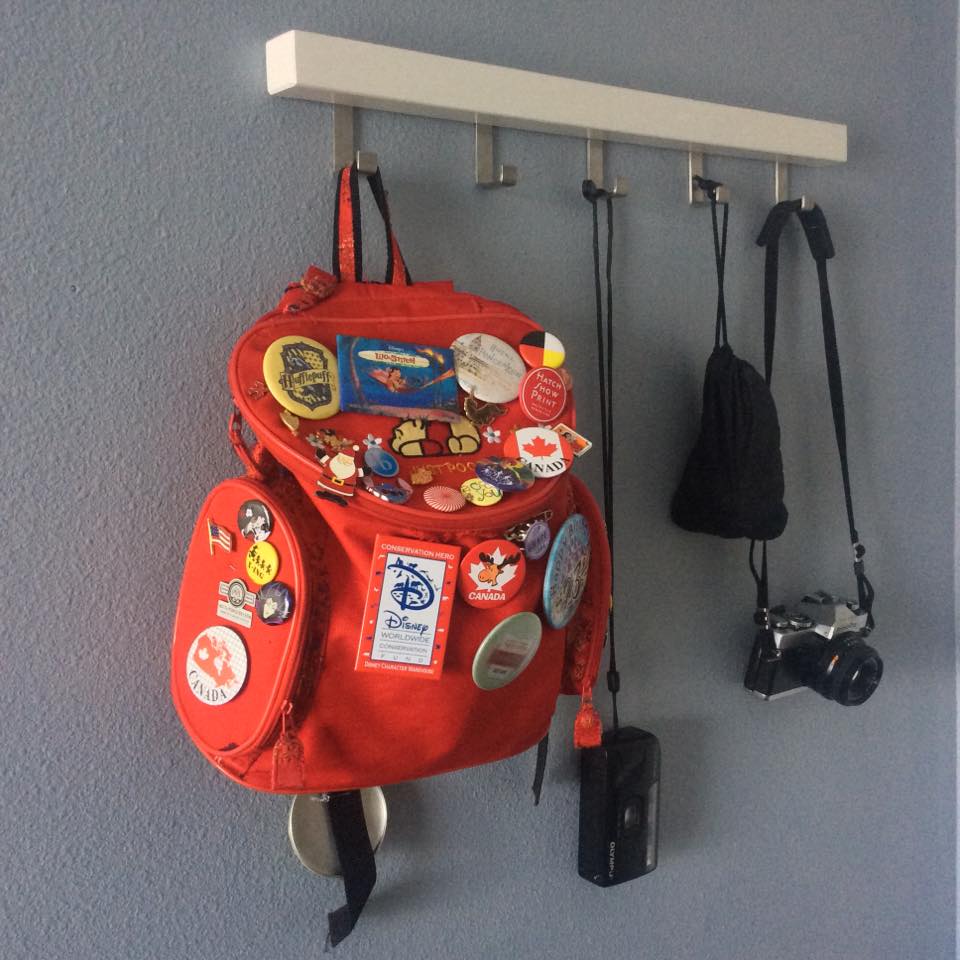
e) Sometimes you have to pack for a trip while packing up your entire bedroom too. Sound familiar? Oh, I see… yeah, this would just happen to me. It was a lot of work, but having to go through everything made me feel more confident that I wouldn’t forget anything I would need… I really wish I had had enough room for my Adventuring Backpack :C11927436_10153158747287547_1699413399_n

I can easily live out of a suitcase when I travel, yet have an entire closet and a room full of possessions at home just waiting for me. Coming home to the rest of my belongings whenever I return from traveling is incredibly overwhelming. This time around, I took my travels to Beijing and my parents’ move as the ultimate exercise to part with a good deal of my belongings.

If you’ve been keeping up with my posts, you’ll know that despite my efforts to carefully pack, I did forget to a toothbrush of all things (I know, I know). I also packed so lightly in terms of clothes, thinking that I would pick up some pieces here, but clothes are either as expensive or more expensive as things back home. What can ya do. It’s probably a good thing…

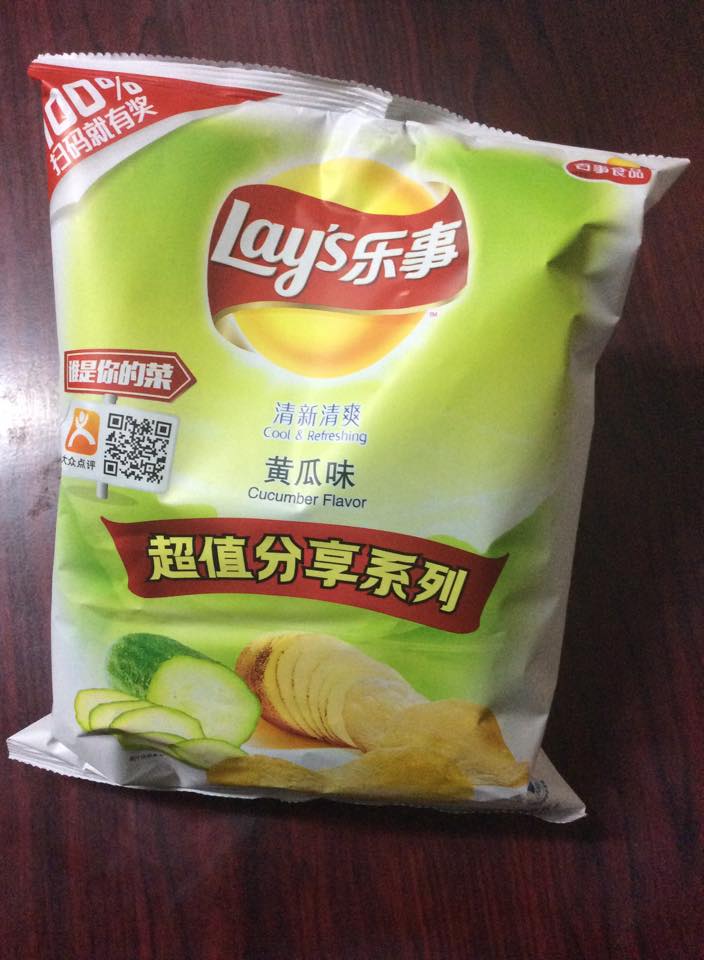
Looking back, I also wish I had packed more snacks. While China is probably the last place on Earth you could starve, as there is so much food everywherrre, I find myself homesick for things like Blueberry Pop-Tarts, Quaker Oatmeal, and Chick-Fil-A Honey Mustard to name a few. While I’ve tried a Chinese brand version of oatmeal, ketchup, Chips Ahoy cookies, and Lay’s Potato Chips, they just don’t taste the same.

One of many unexpected flavors for potato chips in China.

On that note, in case you would like to send a gal some necessities, that would be pretty cool.
Copy+paste+print out my address in both English and Mandarin:

•••
Jacqueline Bantad
MaxEn International Education
XinDu Building 1, 4th Floor
Crossroad of WeiJin Road and WanDeZhuang Street
Nankai District, Tianjin, China
300073
天津市 南开区 卫津路与万德庄大街交口 新都大厦1号楼4层 迈格森国际教育
•••

Cheers to Cucumber Flavored Chips! Hope y’all have a super weekend. TGIF!!!
Love from Tianjin ♥